What Is High-Mix Low-Volume Production? Explaining Its Rising Popularity, Its Advantages and Disadvantages
Even if you've encountered the term "high-mix low-volume production," surprisingly few can clearly explain its meaning and origins. In recent years, this production approach has gained popularity amid diversifying consumer needs and increasingly shorter product lifecycles.
This article provides a clear overview of high-mix low-volume production, together with a comprehensive look at how it differs from conventional mass production, its advantages and disadvantages, and the challenges during implementation along with their solutions.
What Is High-Mix Low-Volume Production?
The term "high-mix low-volume production," often heard at manufacturing sites, has been attracting growing interest. Yet many people may feel that "while they have a general idea of what it means, they're unsure how it differs from other approaches," or "whether they need it for their company."
In this section, we begin with a basic explanation of what high-mix low-volume production means and what it entails.
What High-Mix Low-Volume Production Means
As the name suggests, high-mix low-volume production refers to "a manufacturing approach for producing a wide variety of products in small quantities." This approach has gained increasing attention within the manufacturing industry in recent years due to growing market segmentation and diversification of consumer needs.
For example, in the past, the same products were popular across the whole country. Today, however, we live in an age where consumers seek "just the right products" tailored to their gender, age, region, season, and lifestyle. To meet these needs, it is important for manufacturers to have a way to shift from mass-producing a limited range of products to producing only what is needed, in the necessary quantities.
This is where high-mix low-volume production becomes useful.
However, it should be noted that this production approach can easily become complex, requiring more frequent changeovers and greater management effort—all of which can drive up costs. In other words, while it offers greater flexibility, maintaining a balance with production efficiency and profitability becomes a challenge.
In summary, high-mix low-volume production, which involves "producing only select products at chosen times and in chosen quantities," is a highly flexible approach that is well-suited to today's markets.
Why High-Mix Low-Volume Production Is Gaining Popularity
The biggest reason for the recent need for high-mix low-volume production is the "rapid diversification of customer needs."
With the widespread adoption of smartphones and the rise of social media, consumers have become more discerning in their product choices, increasingly preferring products "that suit their individual tastes" over those "that follow the crowd." In reality, required functionalities and design vary significantly depending on factors such as age, gender, region, and lifestyle.
Moreover, product lifecycles are becoming shorter. Trends shift quickly, and many products become obsolete within a year. Under these conditions, low-mix mass production, characterized by large inventories, carries significant risk.
As a result, manufacturing sites are increasingly shifting toward production systems that minimize inventory and allow for flexible responses to demand—in other words, "high-mix low-volume production."
How It Differs From Low-Mix Mass Production
Let's clarify how "high-mix low-volume production" differs from "low-mix mass production," a common point of comparison.
| Low-mix mass production | High-mix low-volume production | |
|---|---|---|
| Description |
|
|
| Suitable cases |
|
|
Low-mix mass production involves producing the same product in large quantities over long periods of time. This can reduce costs through bulk material purchasing and continuous facility operation. However, it is difficult to adapt to changing demand and carries the risk of excess inventory.
In contrast, high-mix low-volume production makes it possible to respond precisely to "what the customer wants now," and can therefore deliver great value when integrated with marketing and sales strategies. That said, it demands ingenuity to address issues such as frequent changeovers and more complex production management.
Two Advantages of High-Mix Low-Volume Production
High-mix low-volume production is not just about increasing the mix of products and producing them in small lots at a time. It is a customer-centered production approach that can flexibly adapt to modern consumption styles.
So, what are the actual benefits of adopting it? Here, we discuss two major advantages below.
Advantage 1. Meets a Wide Range of Customer Needs
The greatest advantage of high-mix low-volume production is its ability to support product development tailored to the needs of each individual customer.
In today's market, people are looking for "items tailored just for them" rather than "commodities that suit everyone." Customer needs vary not only by gender and age, but also by the area where they live, season, and lifestyle.
Traditional low-mix mass production has struggled to meet these diverse and niche demands.
In the manufacturing industry, there is a growing demand for part supplies that accommodate design changes and varying specifications across businesses and industries.
For example, in fields such as industrial machinery, medical equipment, and precision equipment, it is now common for products within the same category to require detailed customization needs, such as "a design exclusive to a customer" or "modified specifications for a specific lot only." High-mix low-volume production makes it possible to respond flexibly to these detailed needs.
In other words, its major strength lies in delivering small quantities of products optimized for each target customer, directly contributing to higher customer satisfaction.
Advantage 2. Reduces the Risk of Excess Inventory
Another benefit is its ability to minimize inventory loss.
High-mix low-volume production generally involves monitoring changes in demand and producing only the amount needed, rather than stockpiling large quantities in advance. As a result, it eliminates the risk of holding too much inventory, even for products with unpredictable demand.
For example, the specifications of custom parts used in manufacturing equipment are often finalized only after an order is received, making make-to-stock production prone to waste. High-mix low-volume production enables manufacturers to respond flexibly to demand fluctuations while minimizing the risk of waste and unnecessary inventory.
Furthermore, transitioning to fully make-to-order production allows for zero-inventory operations. This flexible production system also leads to improved capital efficiency.
Three Disadvantages and Challenges of High-Mix Low-Volume Production
High-mix low-volume production offers significant advantages in terms of its ability to flexibly respond to customer needs.
However, when considering its implementation, it is essential to properly understand not only the advantages but also the challenges that must be overcome.
Here, we discuss three major disadvantages and challenges that are often pointed out in actual production operations.
Disadvantage 1. Increased Costs
One disadvantage of high-mix low-volume production is that unit costs and management costs inevitably go up.
In low-mix mass production, manufacturing identical products in large volumes enables bulk purchasing of parts and materials, significantly reducing unit costs.
In contrast, high-mix low-volume production requires different components and processes for each product, which can lead to higher material costs and unit purchase prices.
Furthermore, handling many different products simultaneously complicates management tasks such as production scheduling, inventory control, and raw material ordering. This also tends to increase indirect costs related to labor and systems.
For example, the workload involved in setup, material procurement, inspection, and other tasks is substantially different when producing 1,000 units each of 10 different types of products per month than when producing 10,000 units of a single type of product. The former demands changeovers and process management tailored to each product specification, resulting in a relatively heavier cost burden.
In short, flexibility also carries the risk of increased costs, so careful estimation and planning are essential.
Disadvantage 2. Reduced Production Efficiency
The nature of manufacturing many products in small batches inevitably leads to a decline in production efficiency.
This is because handling different types of products requires changing jigs, molds, and equipment settings for each product. The time spent on these frequent "changeovers" reduces the actual operating time of the production line.
In addition, since both the equipment and procedures used by operators vary with each product, human error and time loss tend to increase.
To maintain efficiency, strategies such as reducing changeover time and standardizing work processes are essential.
Disadvantage 3. Operator Training
The greater the variety of products, the more knowledge and skills are required on the floor, placing a heavier burden on operator training. This is because each product involves different processes and specific points to keep in mind.
To meet these requirements, operators must understand the specifications and procedures for each product and be able to execute them accurately. This is especially difficult for new employees and part-time staff to master in a short period of time.
For example, on electronic device assembly lines, there are subtle differences between products—from screw types and tightening torque to wiring connections—and even the slightest mistake can cause quality issues. To prevent operational errors, a more intensive training program is needed, including on-the-job training, clearly developed manuals, and proficiency testing.
To ensure consistent quality, it is essential to build a system that enables anyone to perform the work accurately, rather than relying solely on operator skill.
Tips for Solving the Challenges of High-Mix Low-Volume Production
While high-mix low-volume production offers the significant advantage of flexibility, it also presents challenges in terms of cost and efficiency. So how can these challenges be addressed?
Here, we introduce four practical measures that can be implemented directly on the production floor.
Consider the Production Method for Each Product
As a first step toward improving efficiency, design the optimal production method for each product, rather than applying uniform standards across all products.
Some products may have large, stable orders, while others respond to sudden needs. Managing both of them uniformly leads to reduced efficiency.
For products with a high order volumes and predictable demand, preparing in advance through make-to-stock production can ensure flexibility in production planning. Conversely, for products with indefinite demand, sticking to fully make-to-order production or flexibly applying different production patterns is effective.
The key to building a realistic production system while minimizing loss is to "conduct operations in a way that suits the characteristics of each product."
Review and Reduce the Frequency of Changeovers
Reducing the burden of changeovers can significantly improve operation rates on the production floor. In high-mix low-volume production, jigs and equipment must be adjusted for each product, which can reduce production efficiency.
This is why the distinction between "internal setup" and "external setup" has attracted a lot of interest.
By categorizing setup tasks into "tasks performed while production is stopped (internal setup)" and "tasks that can be performed while production is ongoing (external setup)," and shifting to external setup whenever possible, machine downtime can be minimized.
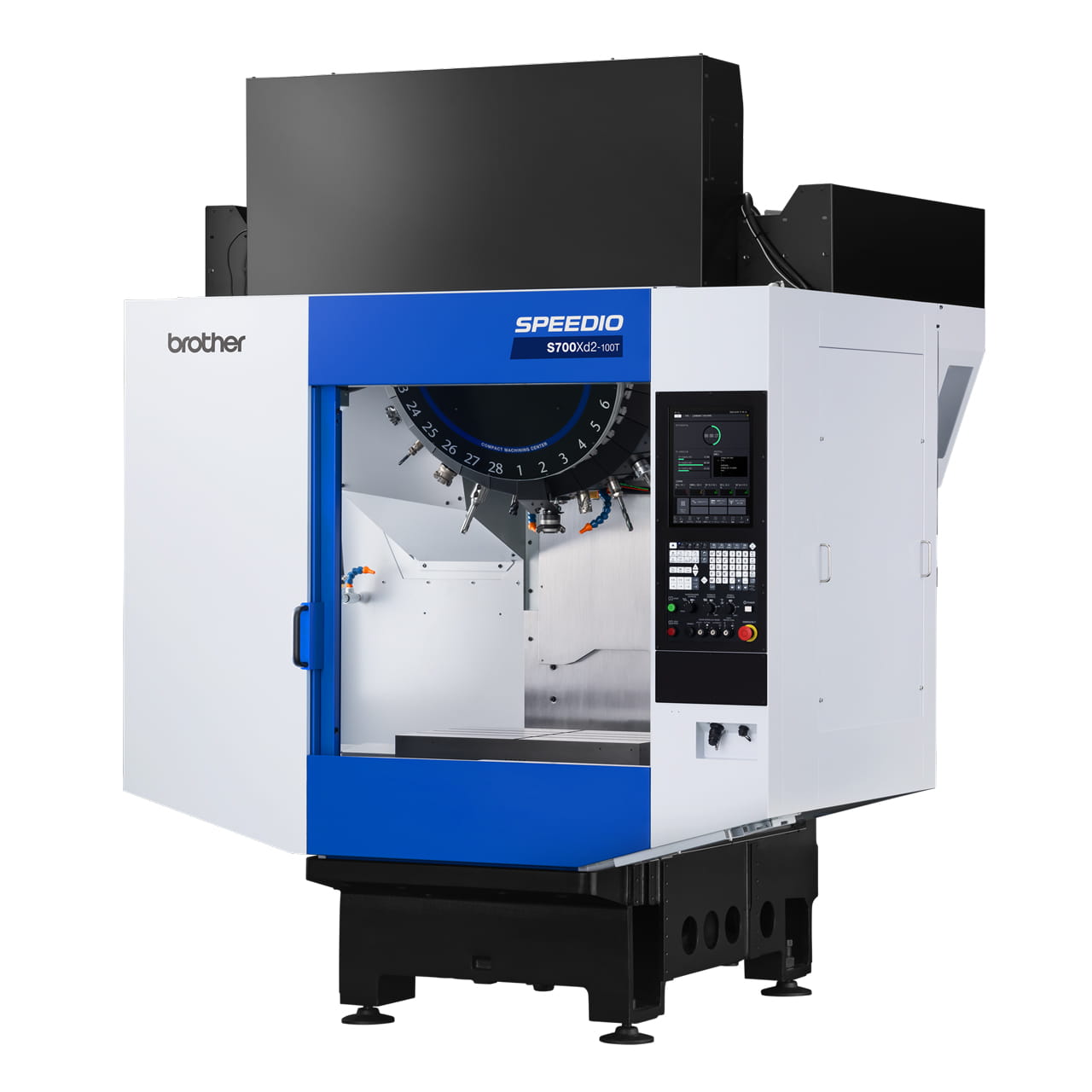
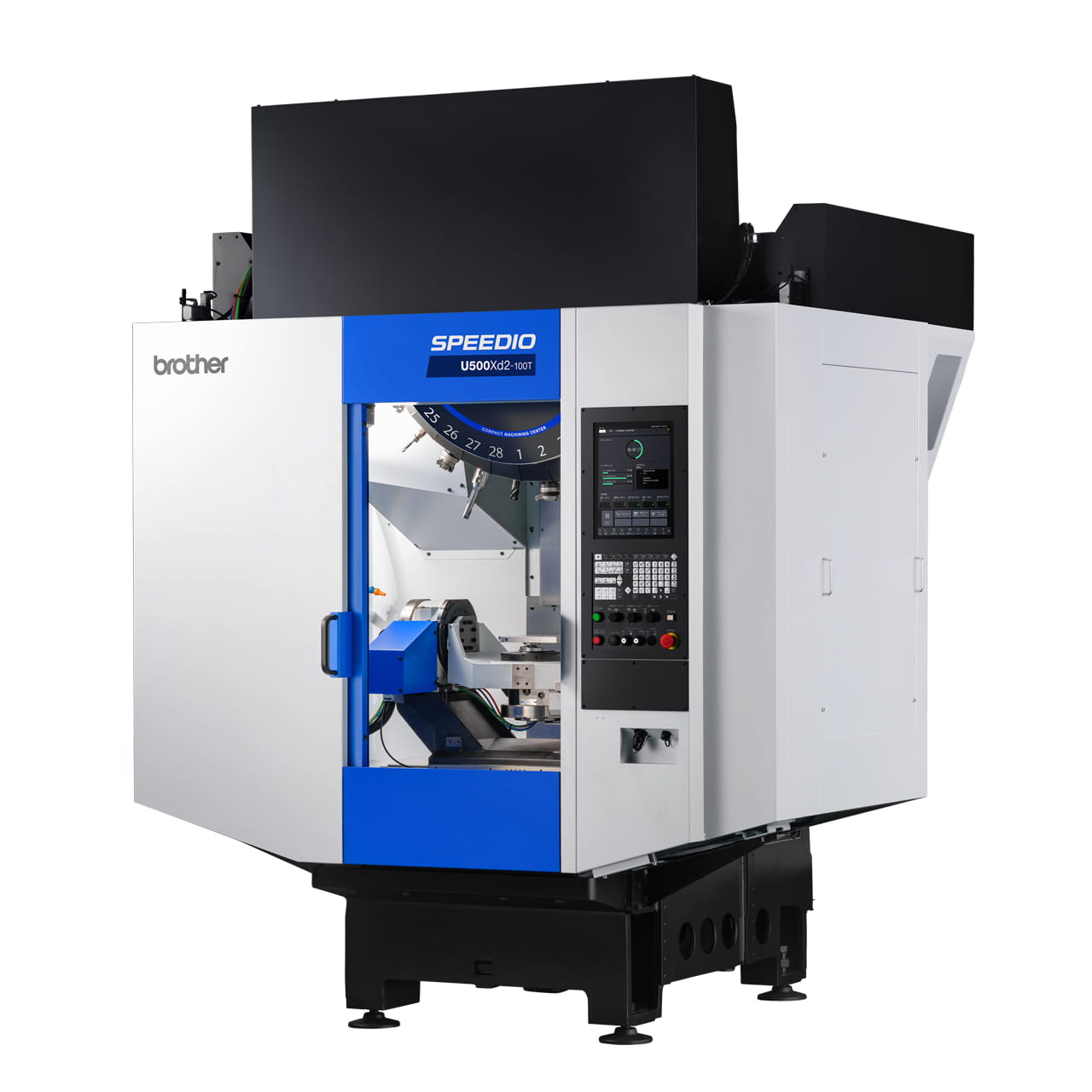
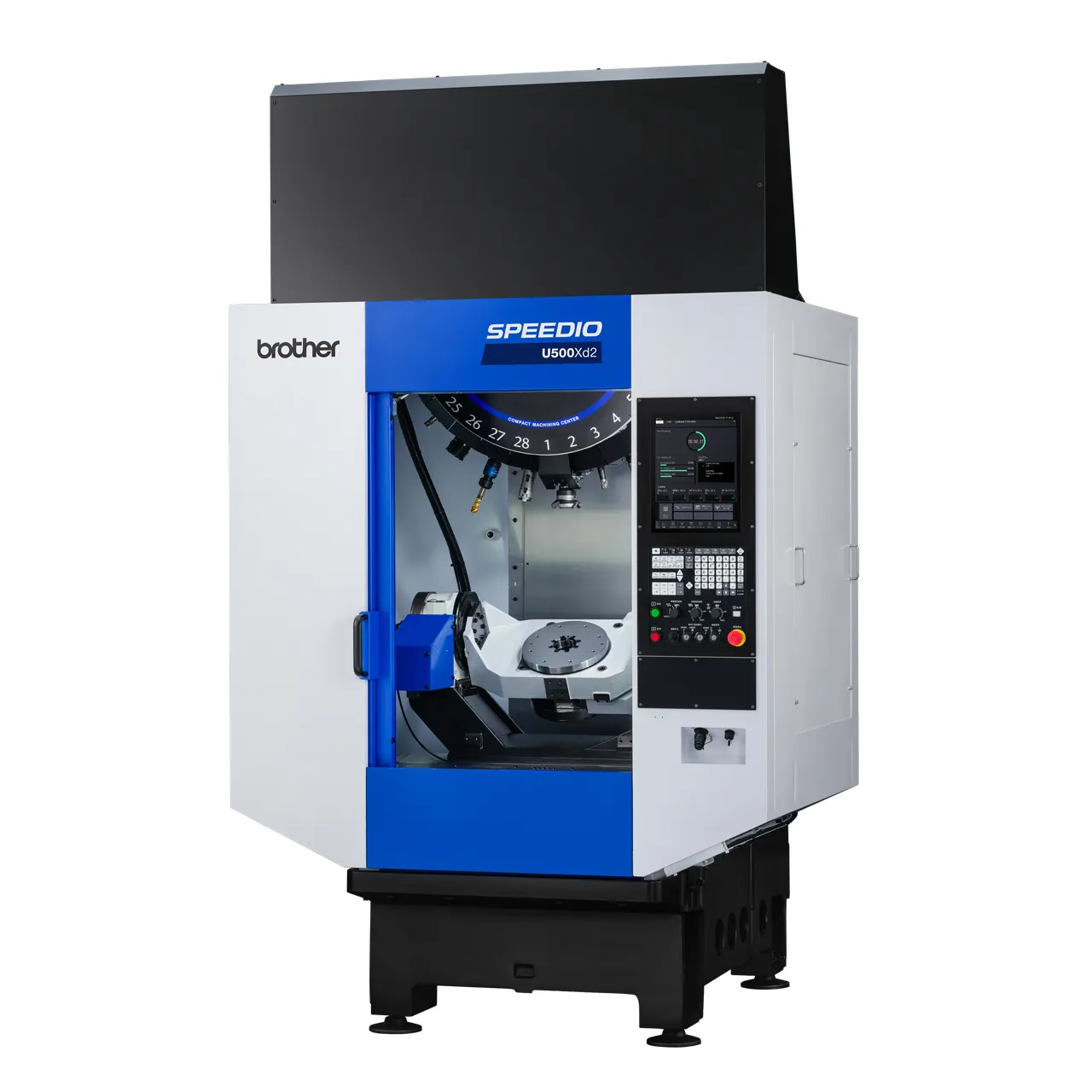
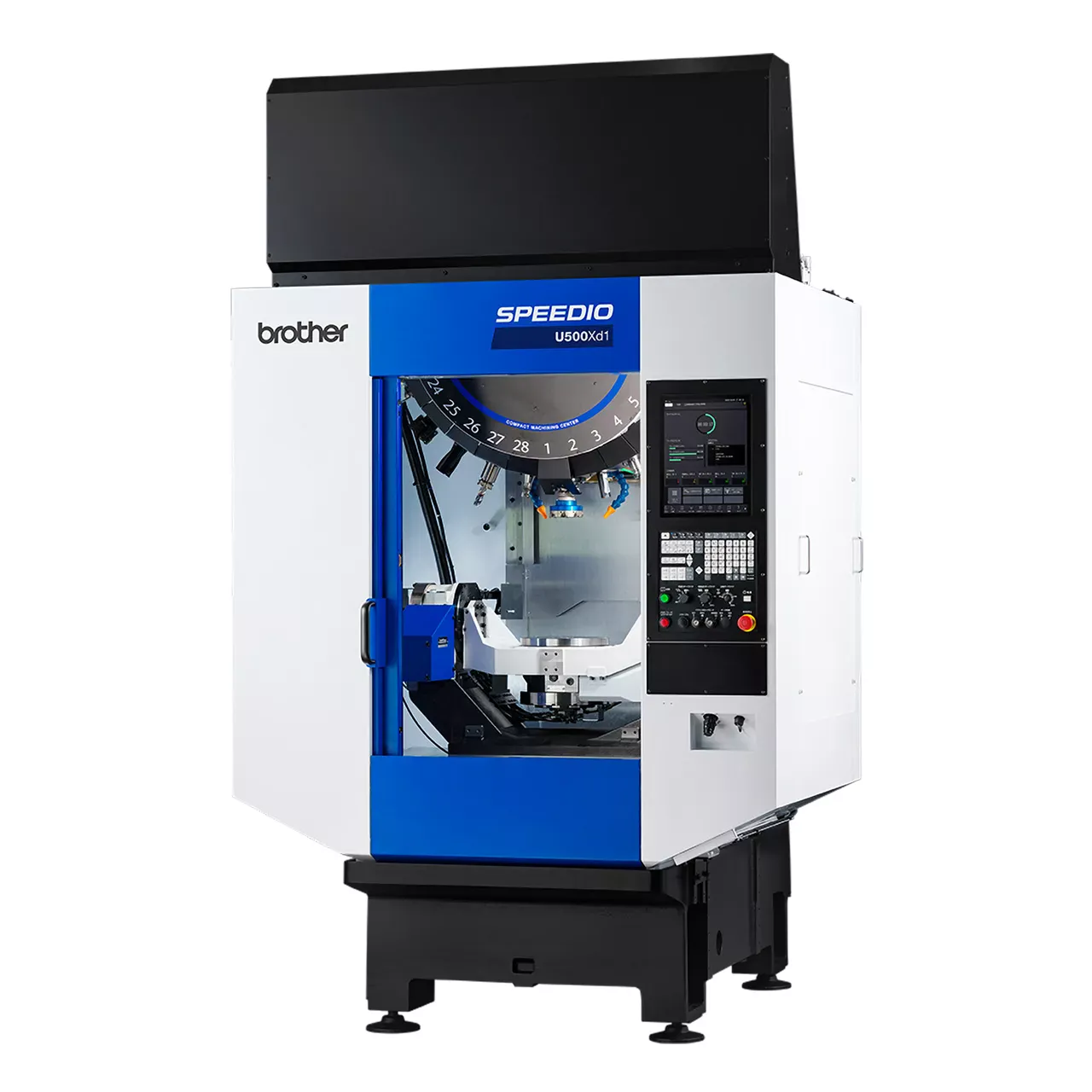
Furthermore, models such as Brother's SPEEDIO U500Xd2-100T, equipped with a 100-tool magazine, are noted for their labor-saving changeovers. This equipment can keep a variety of tools attached, reducing the time and effort required for tool changes.
Introduce a Production Management System
In increasingly complex production sites, it is essential to manage not only people but also information in a centralized manner using systems.
When producing a wide variety of products in small quantities, product delivery schedules, raw material inventory, and progress tracking tend to be highly dependent on the work of individual personnel, leading to potential oversights and errors that can result in production losses. Implementing a production management system enables real-time "visualization" of process progress, inventory levels, and delivery timelines.
This facilitates clearer production prioritization and helps improve the team's overall responsiveness. The key to achieving efficient operations lies in "data-driven decisions" and "timely responses."
Consider Introducing IoT
Production sites that rely heavily on manual labor are especially in need of systems that can prevent errors through the adoption of IoT technology.
Managing a wide range of products places a heavier burden on operators, who must memorize different procedures for each product. This results in increased likelihoods of inspection mistakes, work omissions, and other human errors.
Simply switching from traditional visual product inspection to automated inspection using cameras and sensors can effectively reduce workloads and prevent errors. In addition, digital displays of work procedures and progress tracking visualizations help create an environment where consistent quality can be maintained regardless of who performs the task.
IoT is the first step toward "building systems that do not rely on people." Proactively consider adopting IoT as a means of achieving both labor savings and consistent quality.
What Is the Necessary Approach to Ensure Successful High-Mix Low-Volume Production?
Successful high-mix low-volume production requires a mindset shift toward "making only what sells, in the quantities needed." Responding flexibly to changing demand while minimizing inventory enhances competitiveness.
Standardizing tasks and eliminating reliance on individual skills are also crucial for minimizing variation between products. Creating a system that ensures consistent quality, regardless of who makes it, improves both stability and production efficiency on the shop floor.
Furthermore, real-time visualization of production, inventory, delivery, and other information, along with building a system for cross-departmental information sharing, enables accurate decision-making and rapid response. To make a profit even with small quantities, cost optimization through automation and labor saving is also essential. Production in small lots demands efficient process design and equipment utilization.
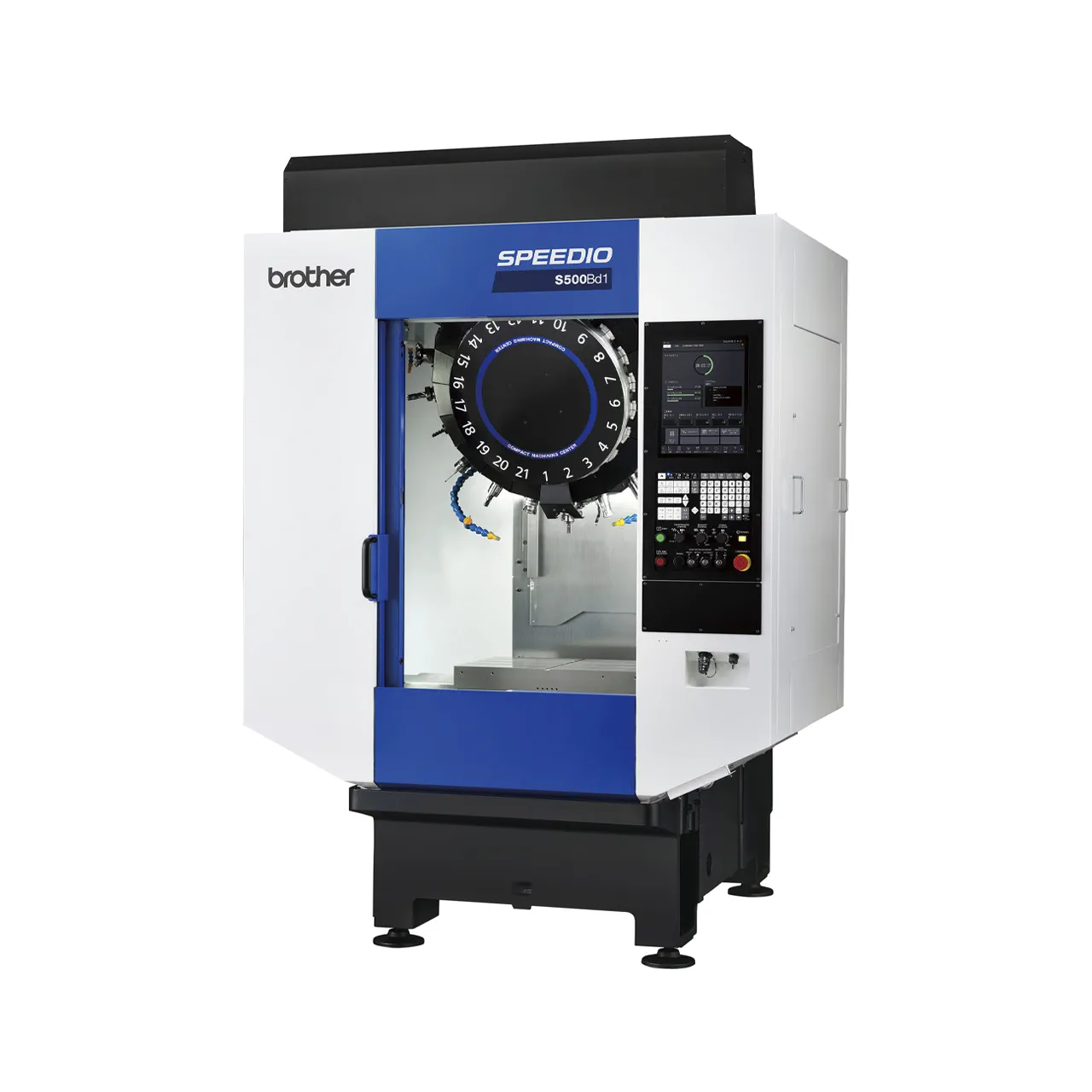
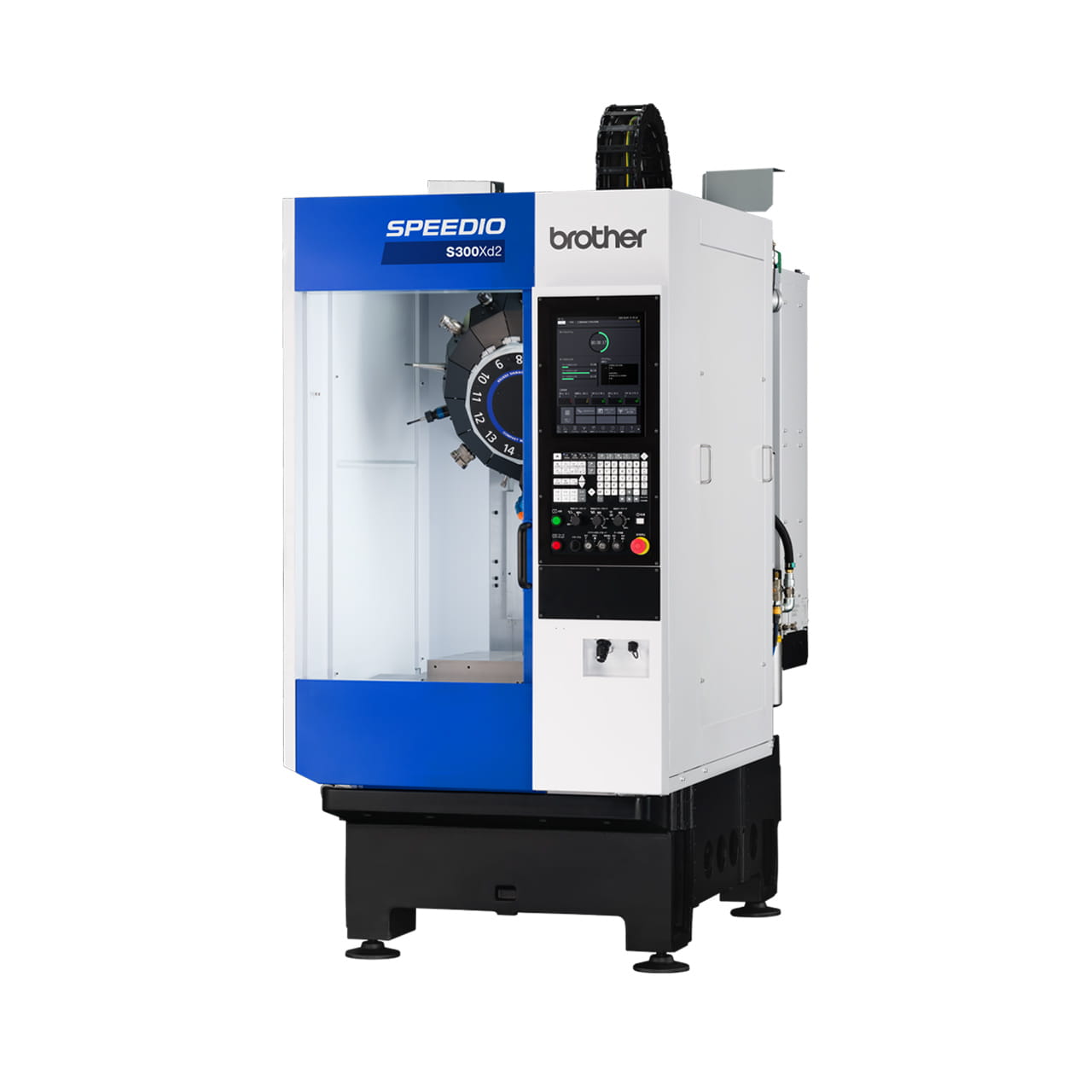
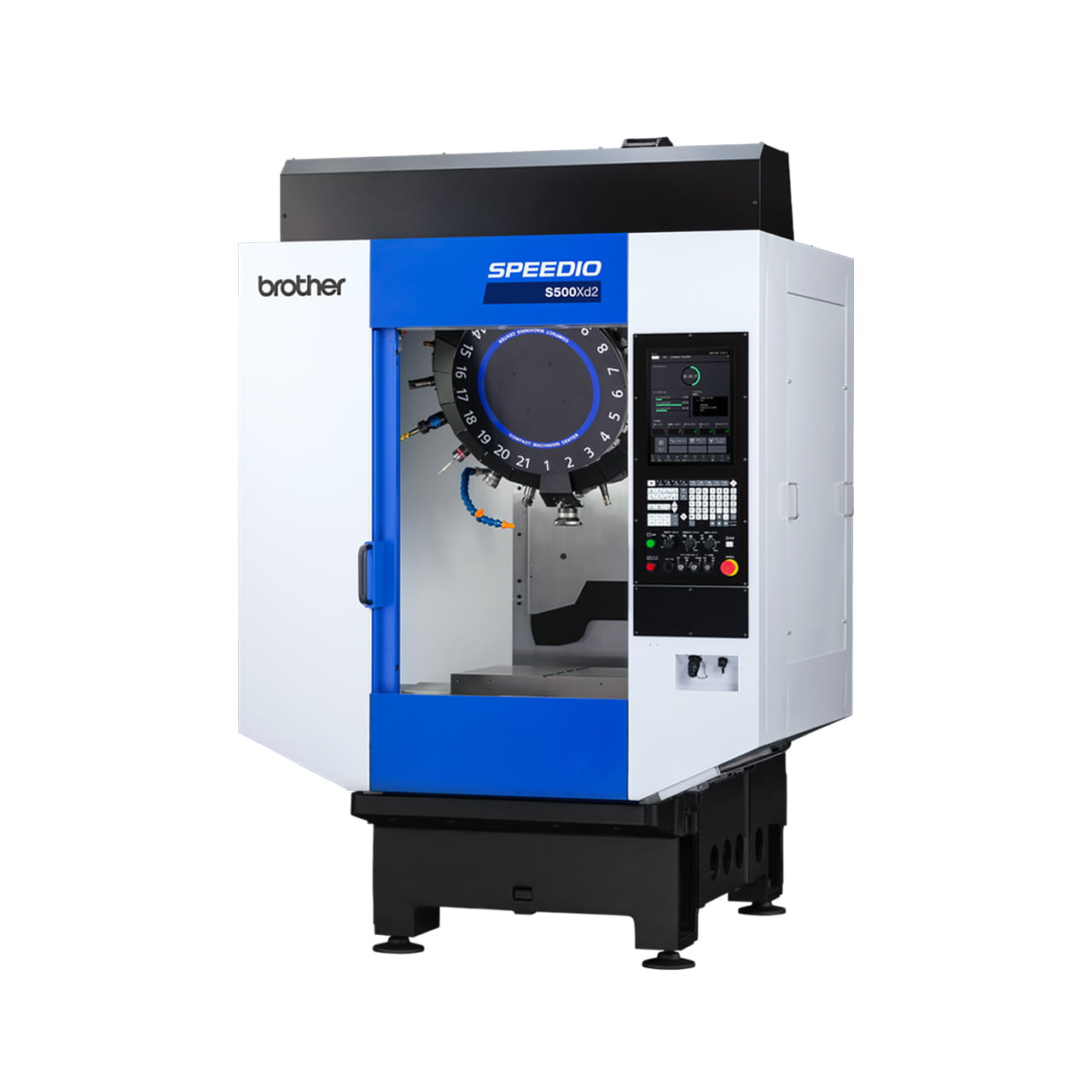
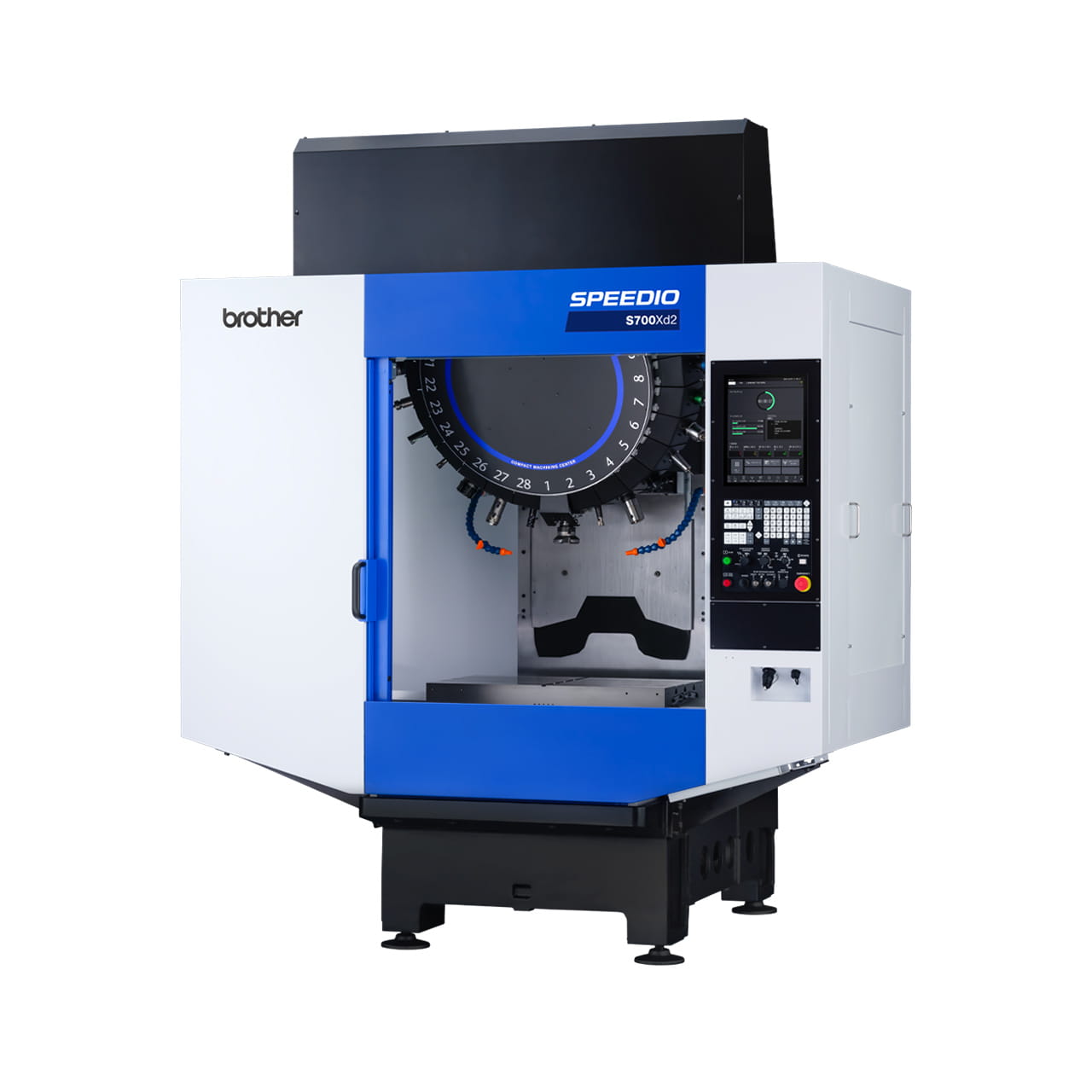
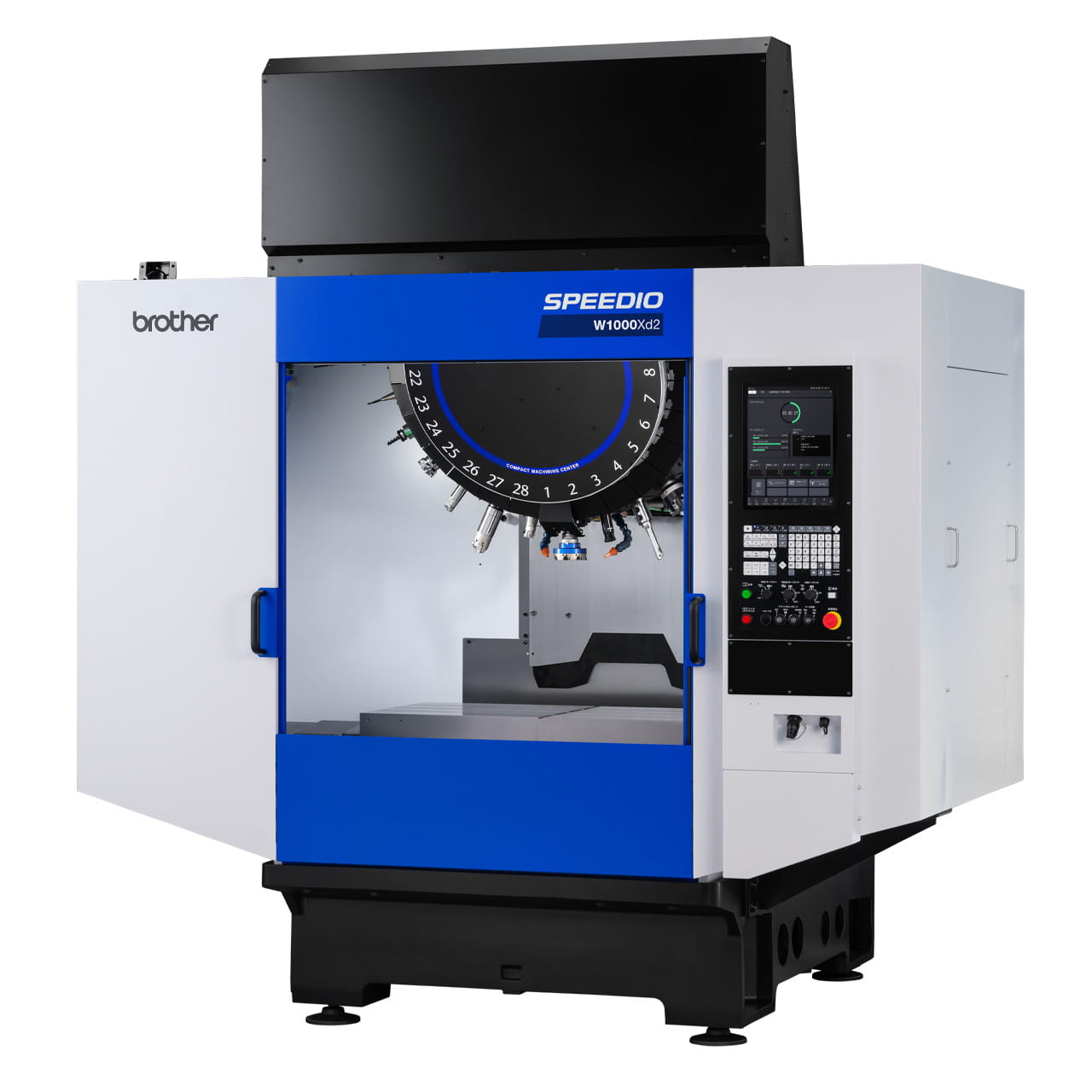
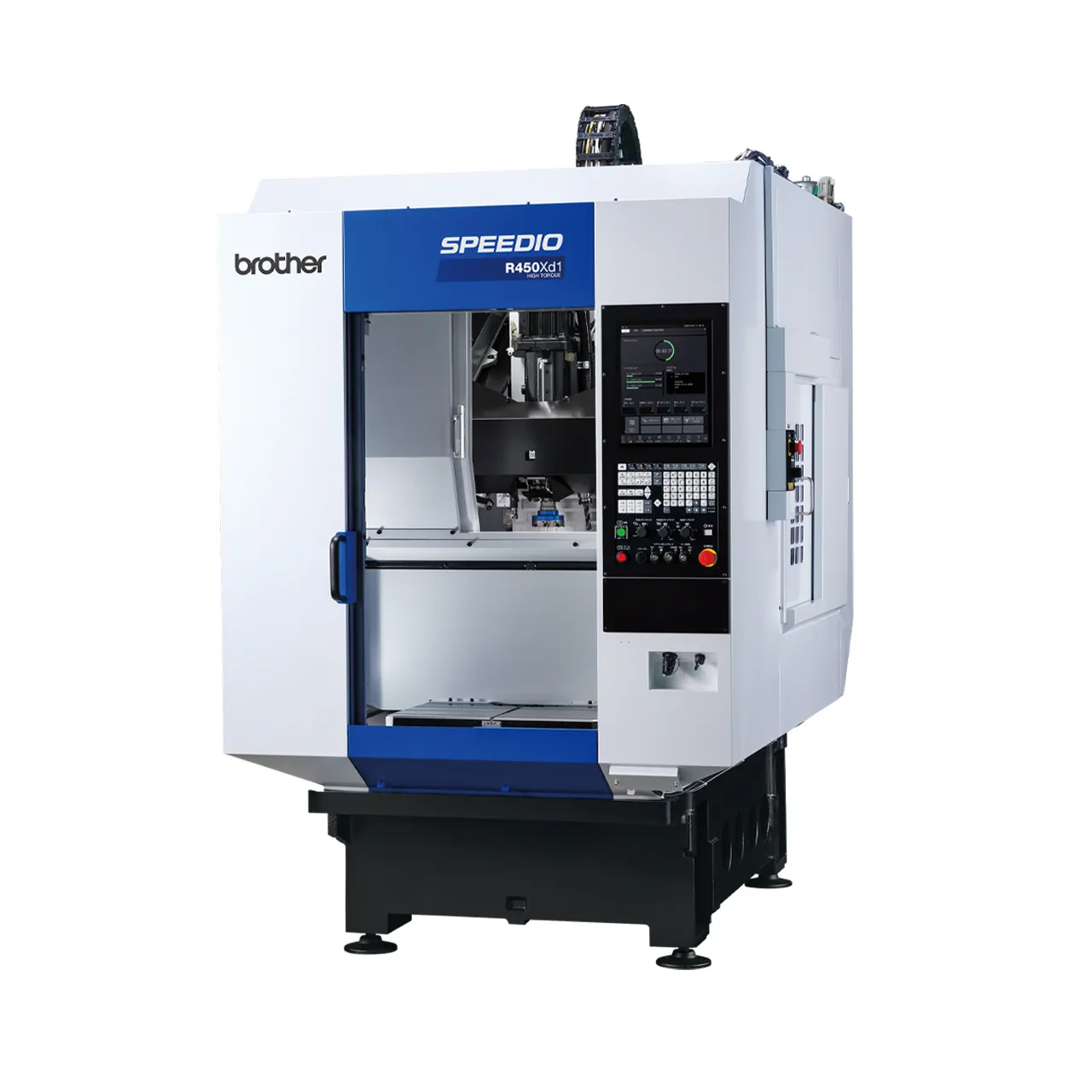
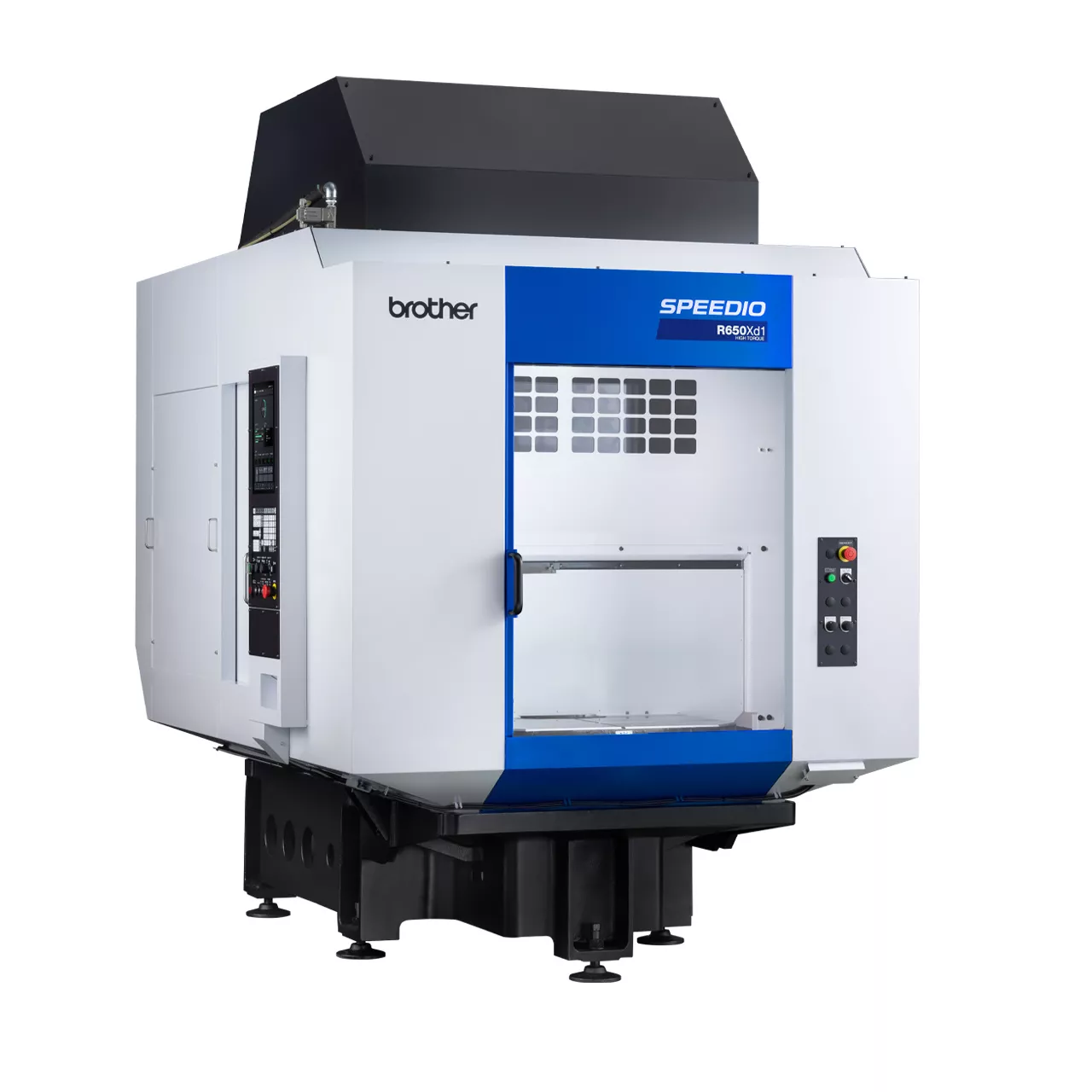
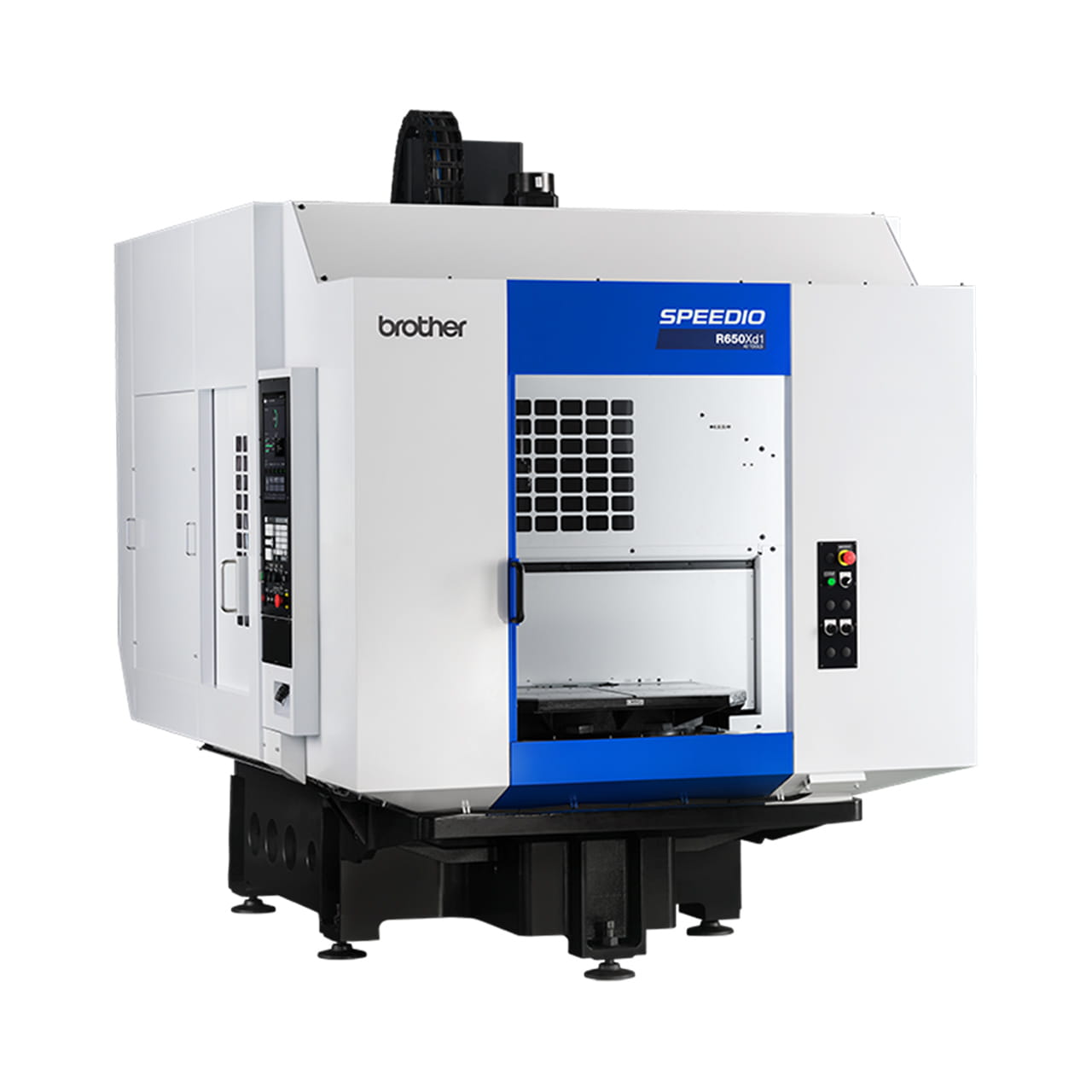
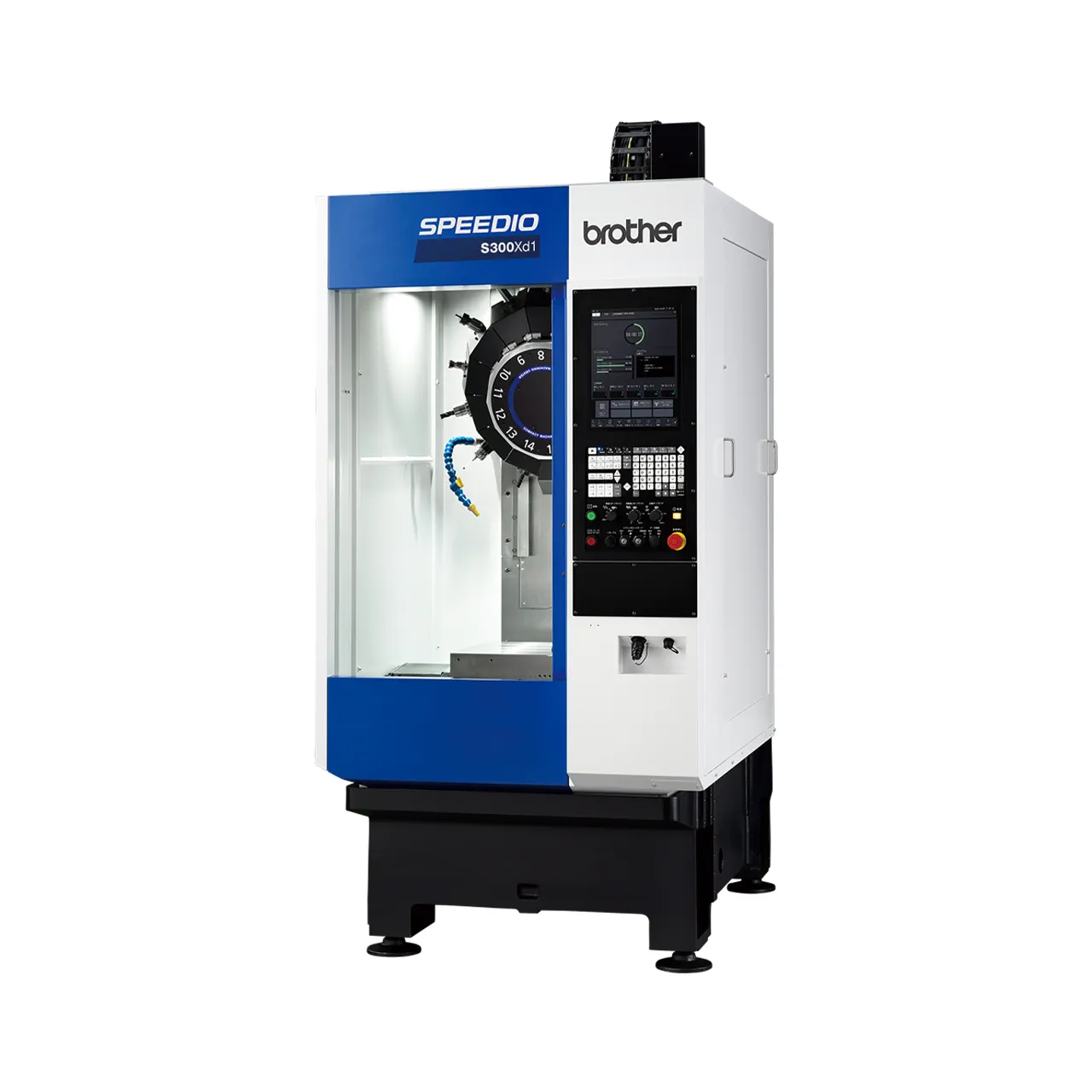
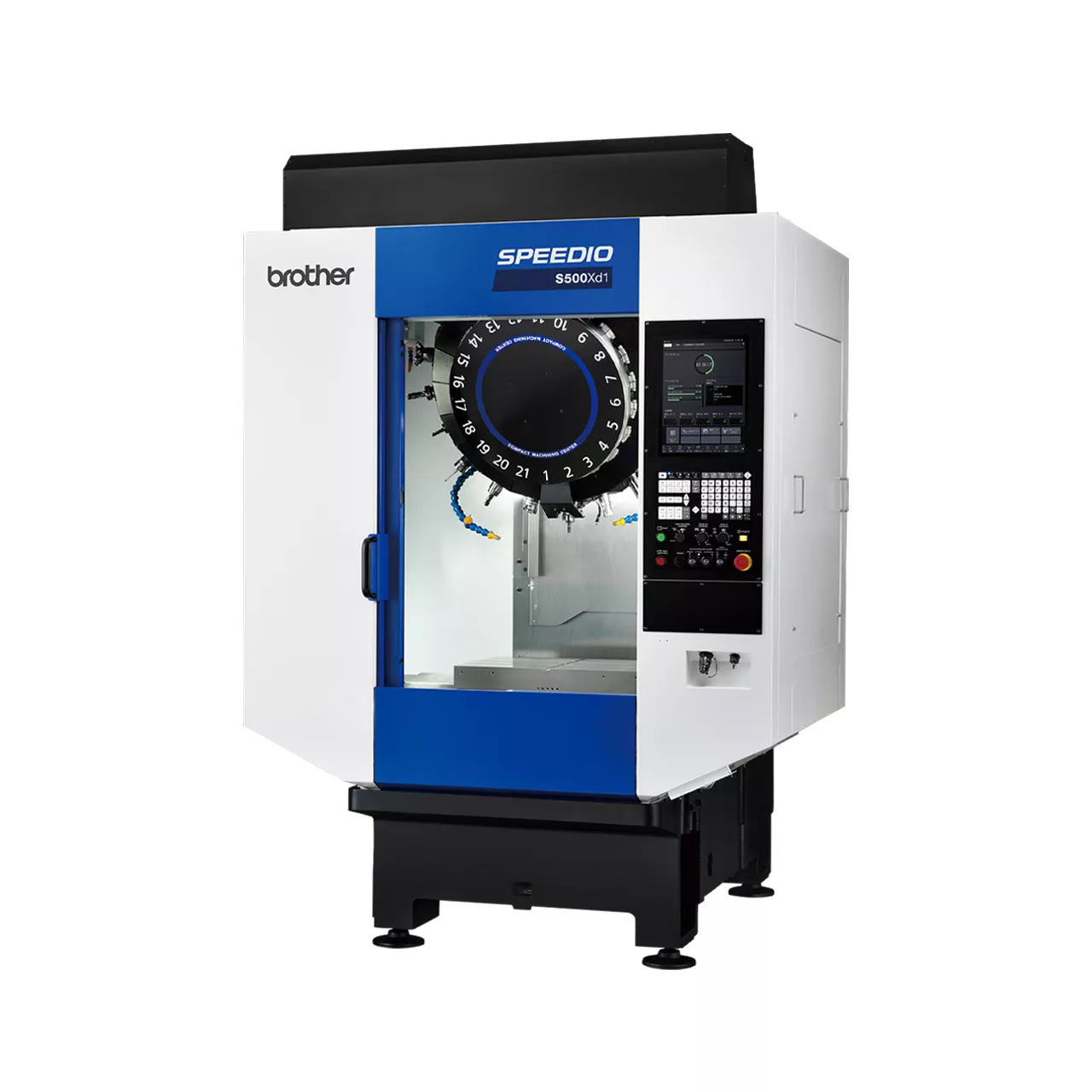
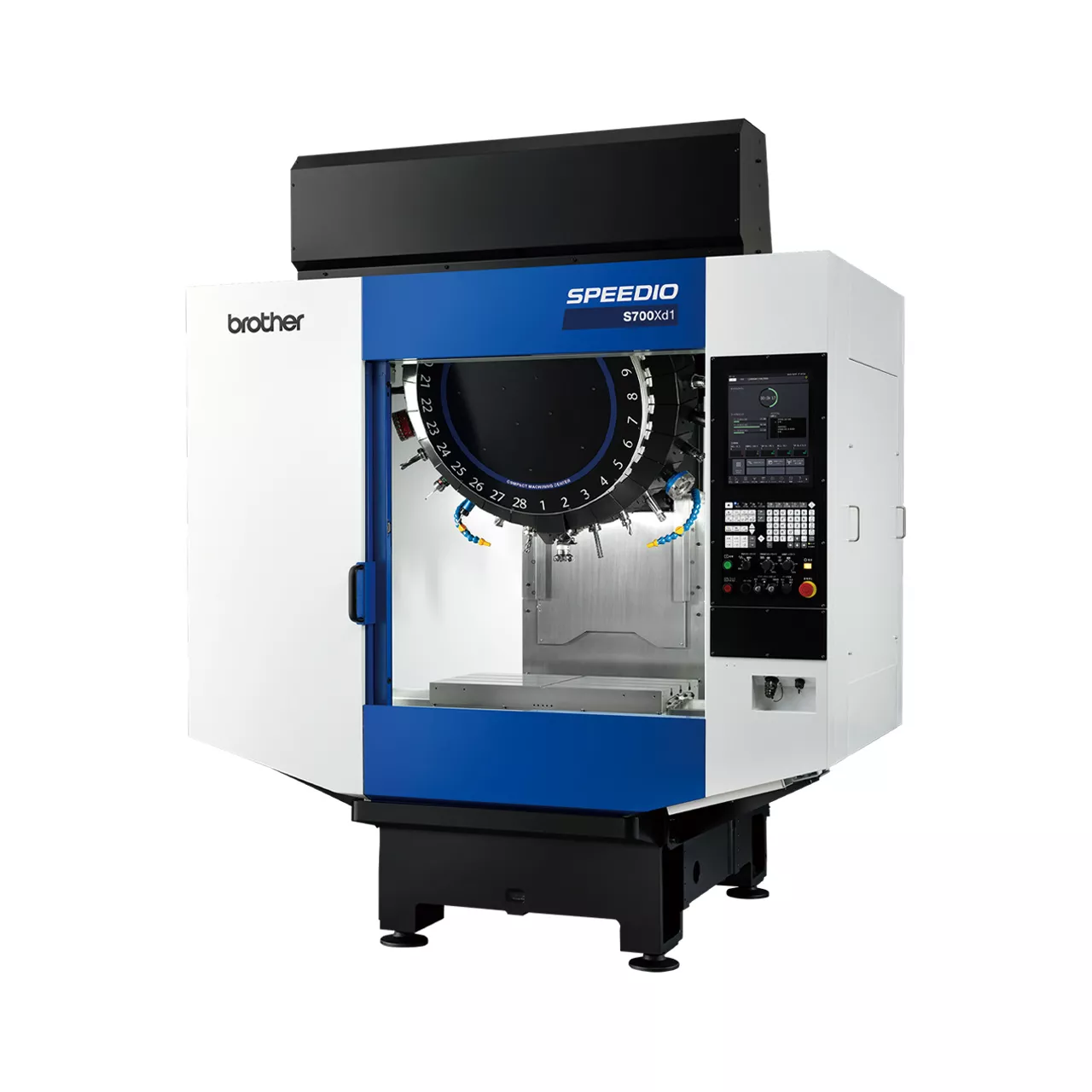
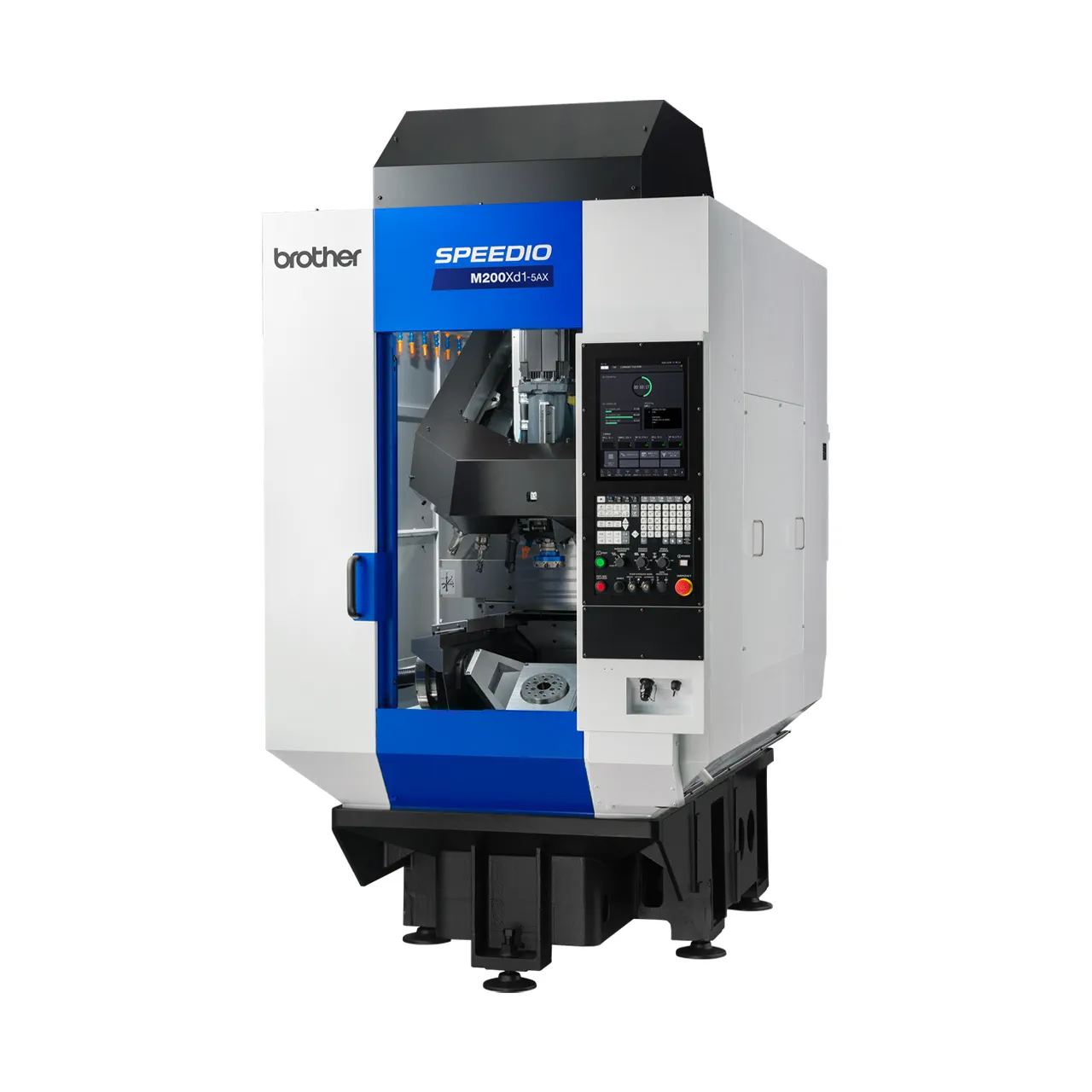
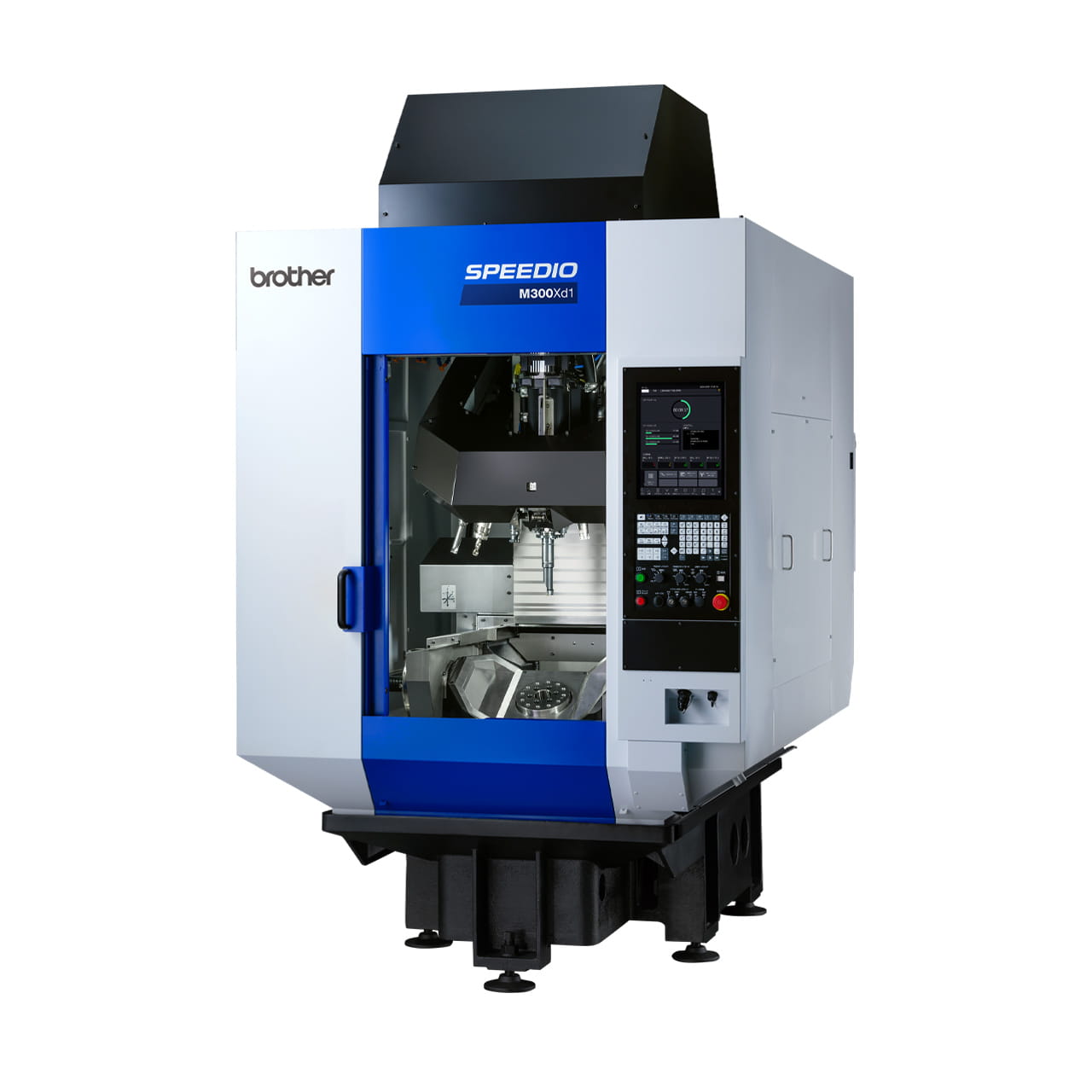
Brother's SPEEDIO machining centers are equipped with features ideal for high-mix small-lot production, such as conversational programming and tool life management. They are a promising option for production floors aiming to standardize product quality and improve productivity. For businesses considering implementation, be sure to check them out.
Author: Hitomi Kawai
Editor: EGGO CO., LTD.
Related Articles
Types and Features of Tool Holders: Basics and Precautions for Use