What Is Cutting Speed? Calculation Formula and How to Determine Cutting Conditions
As cutting speed is a key factor in metalworking quality and efficiency, it is important to manage it properly. If too fast or too slow, it will negatively impact in terms of cutting defects and tool life. This article explains in detail the basic definition of cutting speed, how to calculate it, and points to note when calculating it. It also explains the difference between feed rate, which is often mistaken for cutting speed, as well as feed and cutting depth.
What Is Cutting Speed? Definition and Calculation Formula Explained
Cutting conditions are set to match the workpiece material and tool characteristics. Improper settings can lead to reduced machining accuracy and work efficiency, tool breakage, and shortened cutting tool life.
Among these conditions, cutting speed is one of the key indicators for correctly machining workpieces. Let's begin by reviewing the definition and calculation formula for cutting speed.
What Is Cutting Speed?
Cutting speed refers to "the speed at which the tool cuts the surface of the workpiece per minute," and is sometimes called "peripheral speed."
It is calculated based on variables such as workpiece diameter or cutter diameter and spindle speed. Cutting speed can also be described as "the distance traveled by the cutter (or workpiece) per minute."
Formula and Units for Calculating Cutting Speed
Cutting speed "V" is measured in units of velocity and calculated using the following formula.
[Formula]
Cutting speed: V (m/min) = D × n × π/1000
D: workpiece diameter (turning process) or tool diameter (milling)
n: rotational speed in revolutions per minute (min-1)
π: pi
The variable D represents the "workpiece diameter" in turning processes, and the "tool diameter" in milling. For example, when milling "with an end mill that has a tool diameter of 10 mm at a rotational speed of 500 min-1," the cutting speed is as follows.
V = 10 mm × 500 min-1 × π/1000 = 15.7 m/min (618.1inch/min)
Now, let's change the tool to an end mill with a tool diameter of 5 mm. In this case, the cutting speed is as follows.
V = 5 mm × 500 min-1 × π/1000 = 7.85 m/min (309.1inch/min)
As this shows, even at the same rotational speed, using a different outer diameter for the tool results in a change in cutting speed as well.
Note that cutting speed is generally determined by the "workpiece material," "tool material," and "surface roughness." In actual machining, the workpiece material and desired surface roughness are often already decided, so the tool selection and rotational speed are set based on these.
Calculating Cutting Speed and Points to Note
Let's deepen our understanding of cutting speed. Here, some key considerations and points to keep in mind when determining the cutting speed are explained.
Difference in Calculating Cutting Speed Between Lathes and Milling Machines
On a lathe, the workpiece attached to the spindle rotates. As a result, cutting speed in turning processes is calculated using the "workpiece diameter." In contrast, on a milling machine, the tool rotates, so the cutting speed is calculated using the "tool diameter." In other words, the choice of whether to use the workpiece diameter or the tool diameter depends on the machining method.
What Changes With Fast and Slow Cutting Speeds?
Adjusting the cutting speed allows for some control over machining time and accuracy.
| Fast cutting speed | Slow cutting speed | |
|---|---|---|
| Rotational speed | High | Low |
| Workpiece diameter/Tool diameter | Large | Small |
| Machining time | Short | Long |
As a general rule, faster cutting speeds shorten machining time and improve machining accuracy. Conversely, slowing down cutting speeds lengthen machining time and reduce machining accuracy.
However, cutting speed is ultimately determined by factors such as the workpiece and tool materials, so setting it too fast or too slow is not advisable. For example, if the cutting speed is faster than needed, excessive cutting heat will be generated, placing greater strain on the tool. Therefore, it is essential to determine optimal cutting conditions overall that match the machining requirements.
Relationship Between Cutting Speed and Tool Life
For cutting tools, it has been established that there is a correlation with tool life. Tool damage can be broadly categorized into two types: chipping and wear. Chipping occurs irregularly and is therefore almost impossible to predict. In contrast, the way the tooth wears out depends on the tool's usage conditions and is expressed by the following equation.
[Taylor's tool life equation]
VTn = C
V: cutting speed
T: tool life
(n and C are constants)
Since C on the right-hand side is a constant, it can be seen that an increase in V (cutting speed) results in a decrease in T (tool life). In other words, according to the calculations, the faster the cutting speed, the more rapidly the tool wears out and the shorter its life.
Calculating Rotational Speed
The formula for calculating cutting speed also includes a variable called "rotational speed." This section explains the relationship between rotational speed and cutting speed, with a focus on rotational speed.
What Is Rotational Speed?
Rotational speed refers to the number of revolutions the spindle of a machine tool makes per minute. It is expressed in units such as "rpm" or "min-1." Like cutting speed, rotational speed is set to match the task requirements.
Higher rotational speeds result in higher cutting efficiency, while slower rotational speeds result in longer machining times. Rotational speed also affects the finish of the machined surface. For hard workpieces, reducing the rotational speed is said to produce a smoother finished surface, while for soft workpieces, increasing the rotational speed improves the quality of the finished surface.
Formula for Calculating Rotational Speed
The formula for calculating rotational speed is as follows. Note that it can also be derived by rearranging the cutting speed formula.
[Formula]
Rotational speed: n (min-1) = (V × 1000)/(D × π)
V: cutting speed (m/min)
D: workpiece diameter (turning process) or tool diameter (milling)
π: pi
Difference Between Cutting Speed and Feed Rate
Next, let's look at the concept of feed rate and how it is calculated. Because feed rate is often confused with cutting speed, it's important to understand the difference between the two.
What Is Feed Rate?
Feed rate refers to the speed at which the cutting tool or workpiece is moved, that is, "how many millimeters the tool or workpiece moved per minute." It is also sometimes called the "table feed rate." Increasing the feed rate increases the distance the cutting tool or workpiece moves per unit time, while decreasing the feed rate makes the tool or workpiece move more slowly.
Difference Between Cutting Speed and Feed Rate
Cutting speed can be calculated as "D × n × π/1000." For example, in turning processes, D is represented by the workpiece diameter, so the cutting speed formula expresses "how far the outer circumference of the workpiece moves per minute."
Feed rate, on the other hand, refers to "the distance the cutting tool advances per minute." The movement of the blue arrow in the diagram is called the feed motion, and the feed rate is expressed as "how many millimeters per minute the tool is moving in the direction of feed motion."
Formula for Calculating Feed Rate (for Turning Processes)
The feed rate in turning processes can be calculated using the following formula.
[Formula]
Feed rate per minute: F (mm/min) = f × n
f: feed per revolution (mm/rev)
n: spindle speed (min-1)
Factors Affecting Cutting Conditions and Machining Time
Next, "feed," "cutting depth," and "cutting resistance" is explained. Because all of these variables affect machining accuracy and machining time, it's important to understand their definitions and how they are calculated.
Feed
There are two types of feed: "feed per revolution" and "feed per tooth." The difference lies in whether the calculation is based on "spindle rotation" or on "the tool's teeth."
Feed per revolution: How many millimeters the tool or workpiece moved during one revolution of the spindle.
Feed per tooth: The feed per tooth is the feed per revolution divided by the number of teeth
[Formula]
Feed per revolution: f (mm/rev) = l/n
l: cutting length per minute (mm/min)
n: spindle speed (min-1)
Feed per tooth: fz (mm/tooth) = F/(z × n)
z: number of teeth on the tool
n: spindle speed (min-1)
F: feed rate per minute (mm/min)
Cutting Depth
Cutting depth refers to the thickness of the workpiece that is removed by the tool in a single pass. Increasing the cutting depth proportionally increases the volume that can be cut at once, allowing for shorter cutting time. However, it also increases cutting resistance, placing a greater load on the tool. Cutting depth is divided into stages, in decreasing order of depth: "roughing," "semi-finishing," and "finishing." The thickness of the chips produced varies at each stage.
Cutting Resistance
Cutting resistance is the resisting force exerted by the workpiece against the cutting tool when cutting the workpiece. It is expressed as the resultant of three forces: "principal force," "feed force," and "radial force."
The magnitude of cutting resistance varies depending on factors such as the workpiece hardness, cutting speed, cutting depth, and cutting edge angle of the cutting tool. For example, cutting resistance increases when machining hard materials or using large cutting depths. However, it can be reduced by increasing the top rake angle or increasing the cutting speed.
| High cutting resistance | Low cutting resistance | |
|---|---|---|
| Workpiece material | High hardness | Low hardness |
| Cutting speed | Slow | Fast |
| Cutting depth | Large | Small |
| Cutting angle | Small | Large |
Increasing Cutting Speed While Maintaining Accuracy Leads to Improved Productivity
It's important to determine cutting speed based on various requirements, such as workpiece material, desired accuracy, and machining time. Faster cutting speeds shorten cutting time and can minimize the roughness of the finished surface. However, setting it too fast generates frictional heat, increasing the risk of tool damage.
While experience and intuition play important roles, cutting speeds should be set based on evidence, such as the recommended values provided by cutting tool manufacturers, to ensure reproducibility.
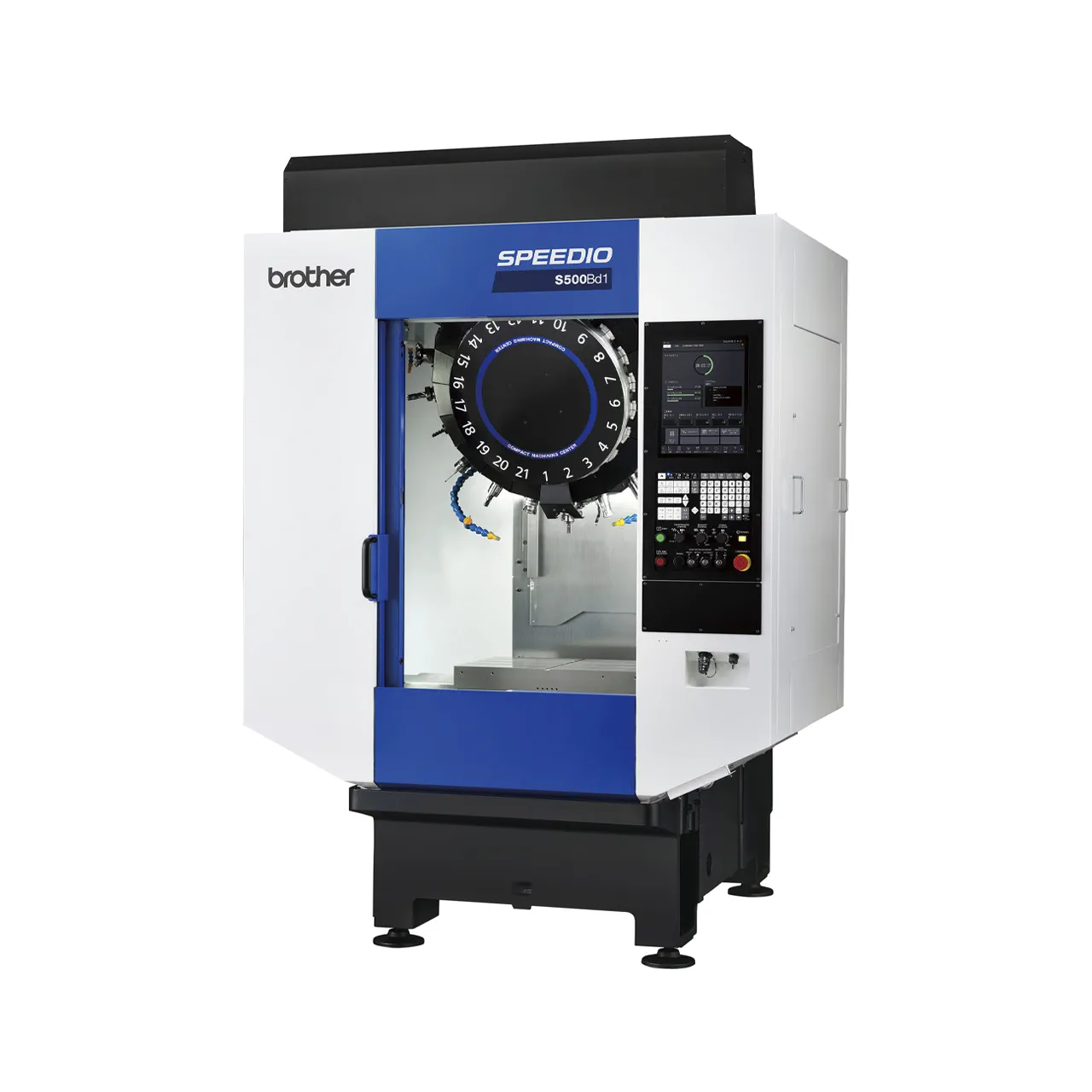
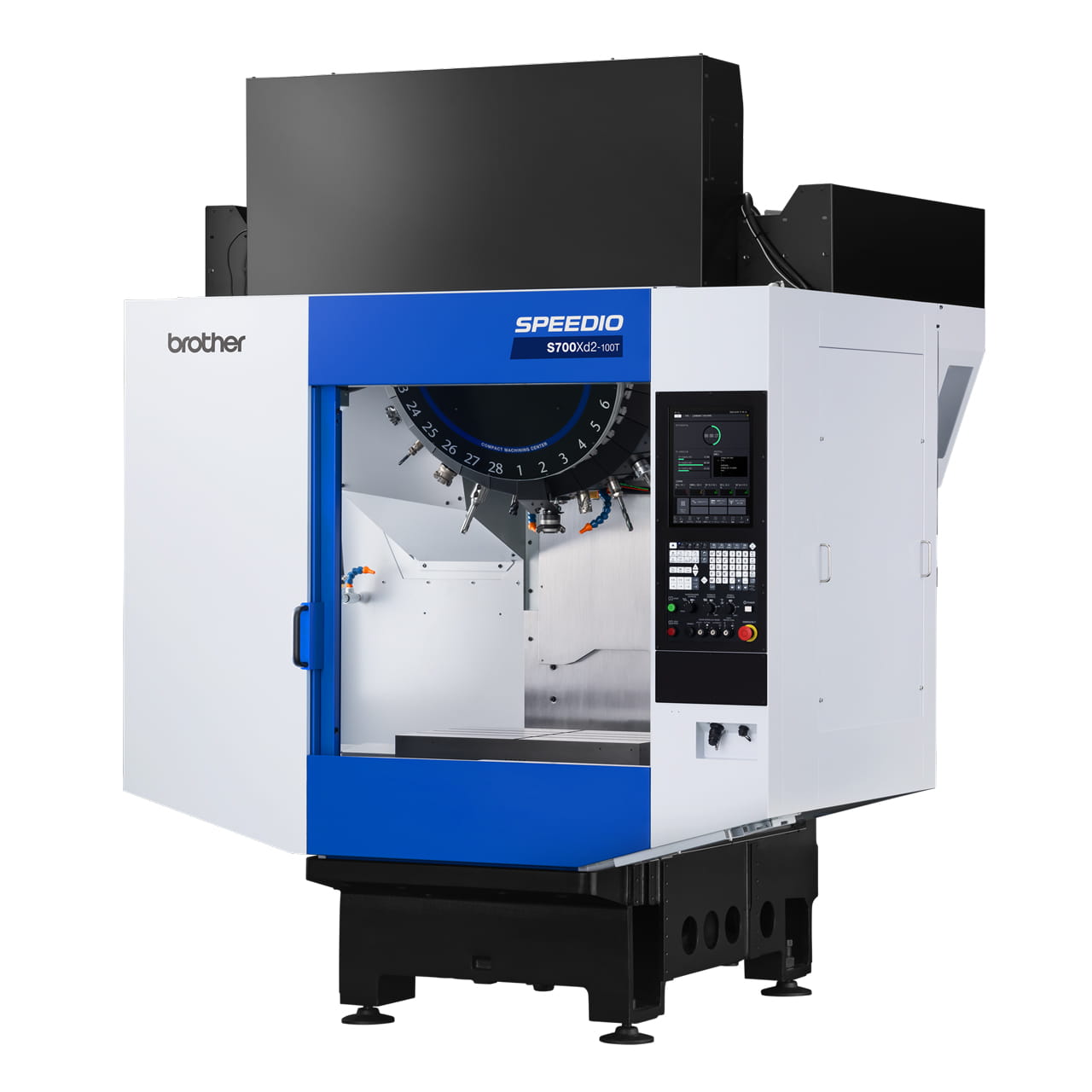
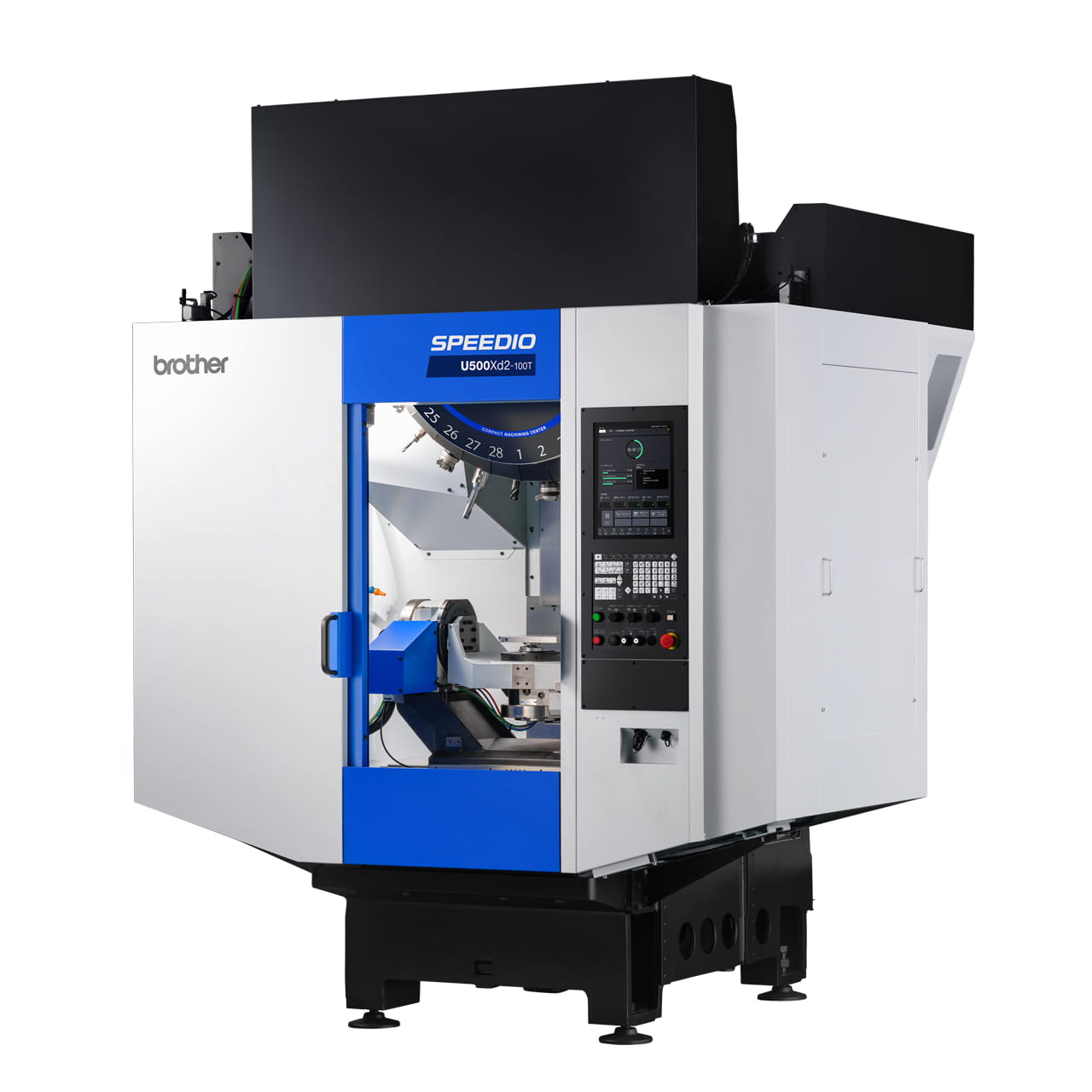
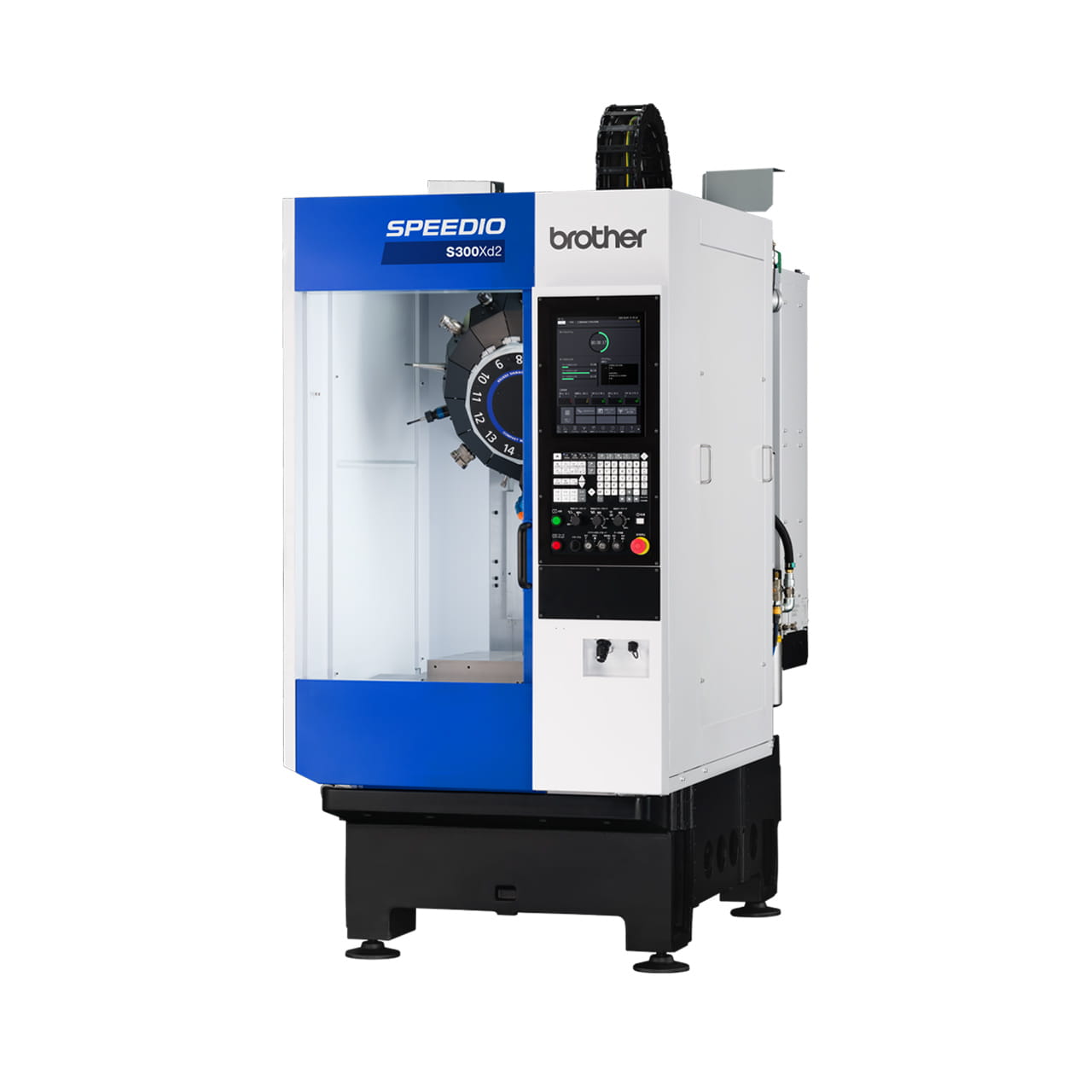
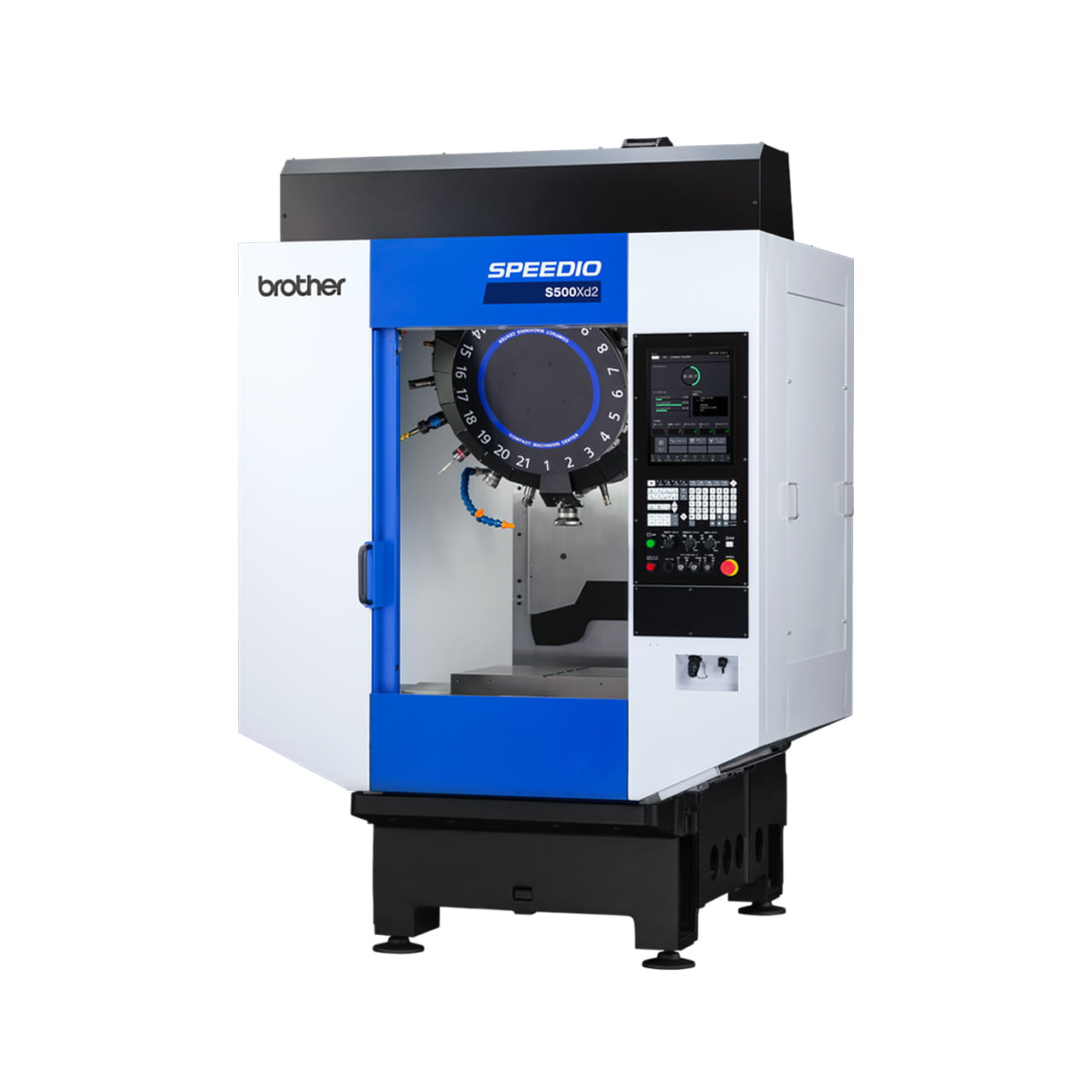
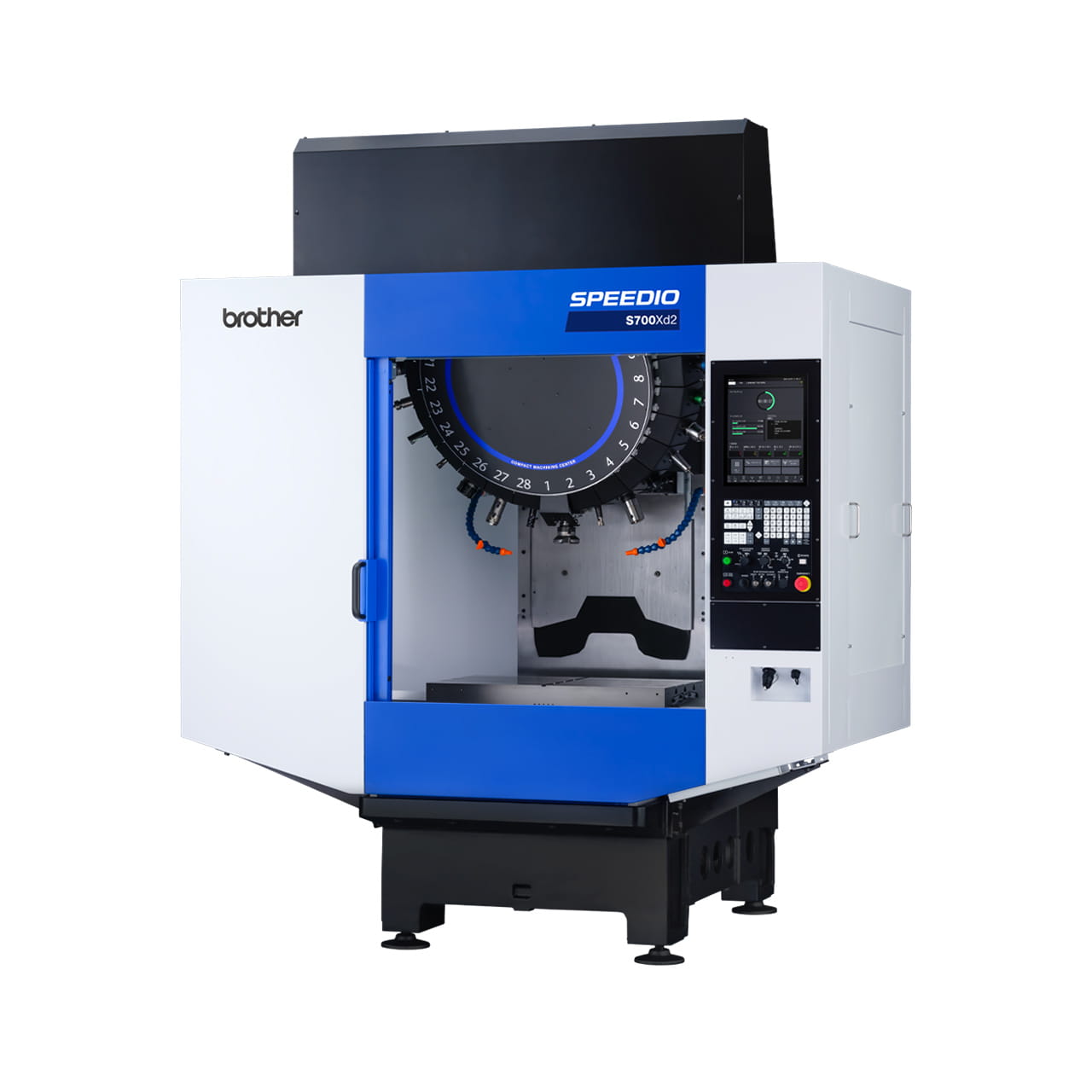
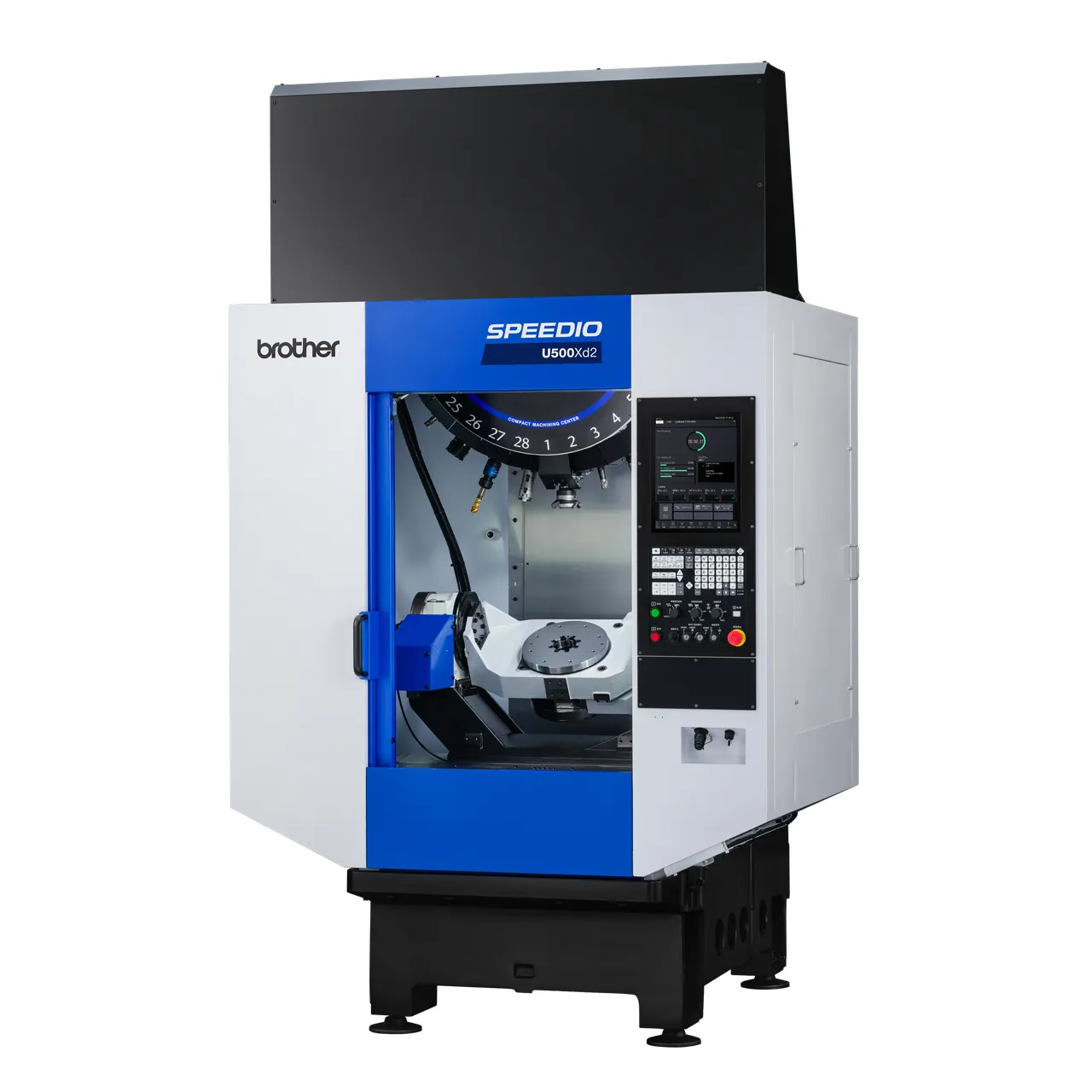
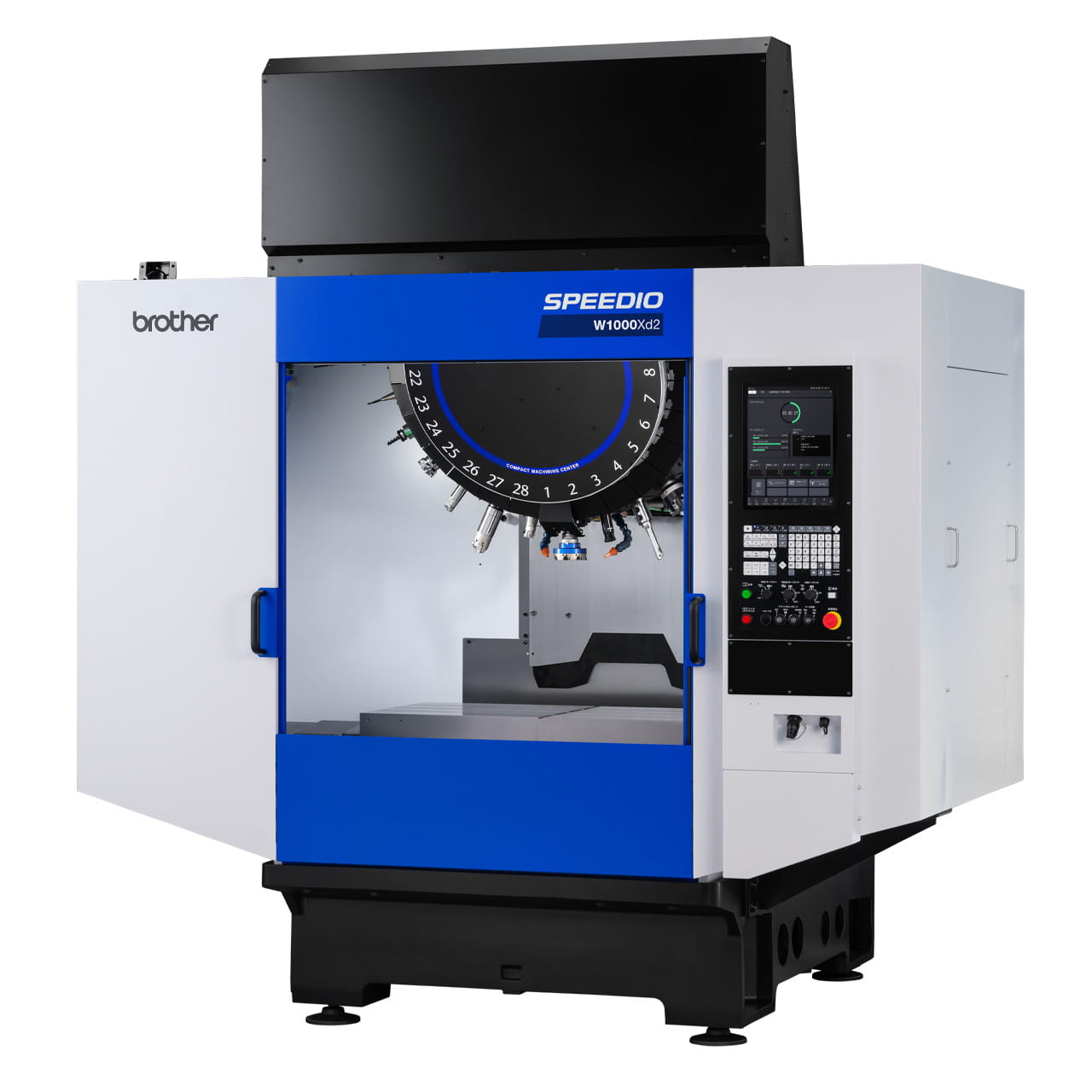
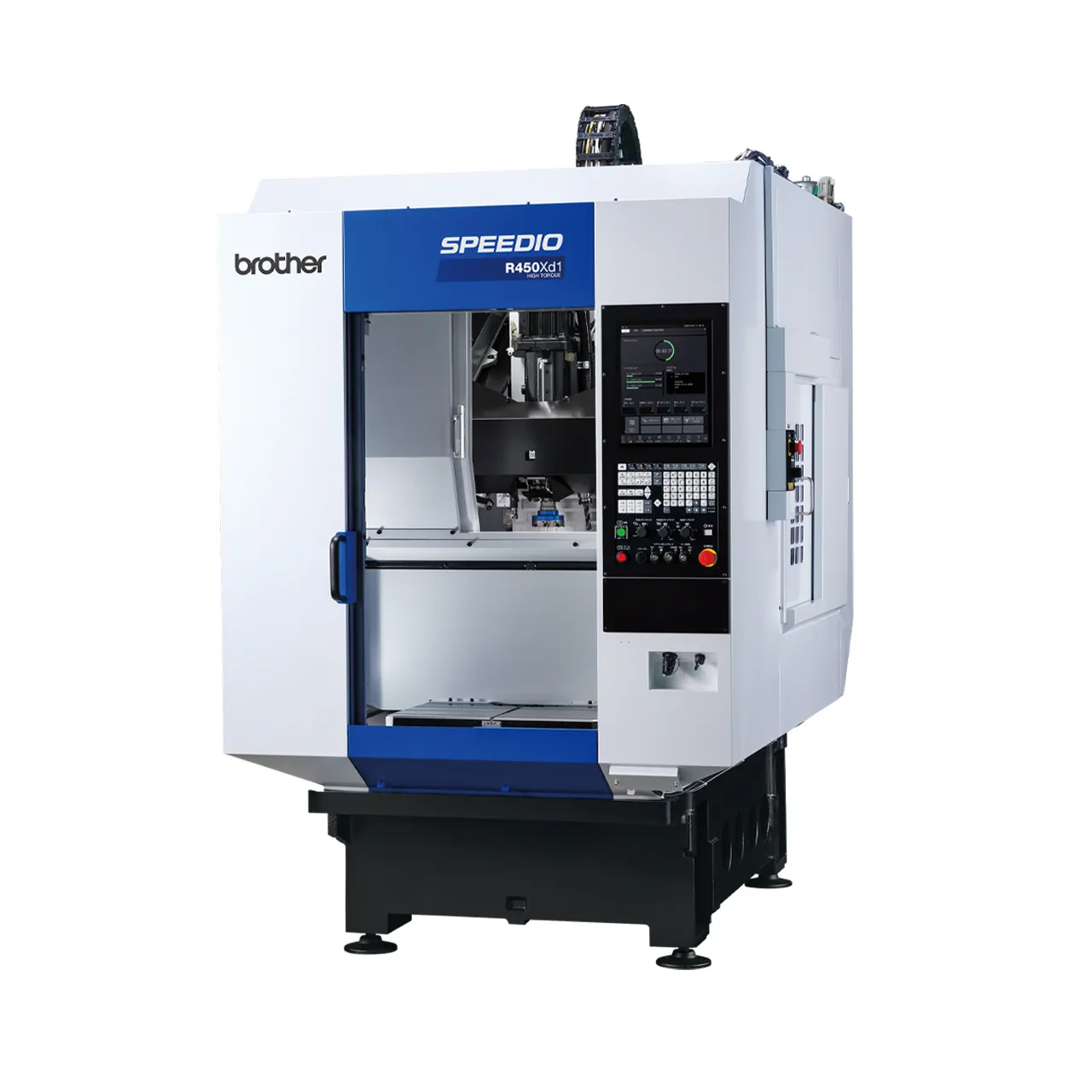
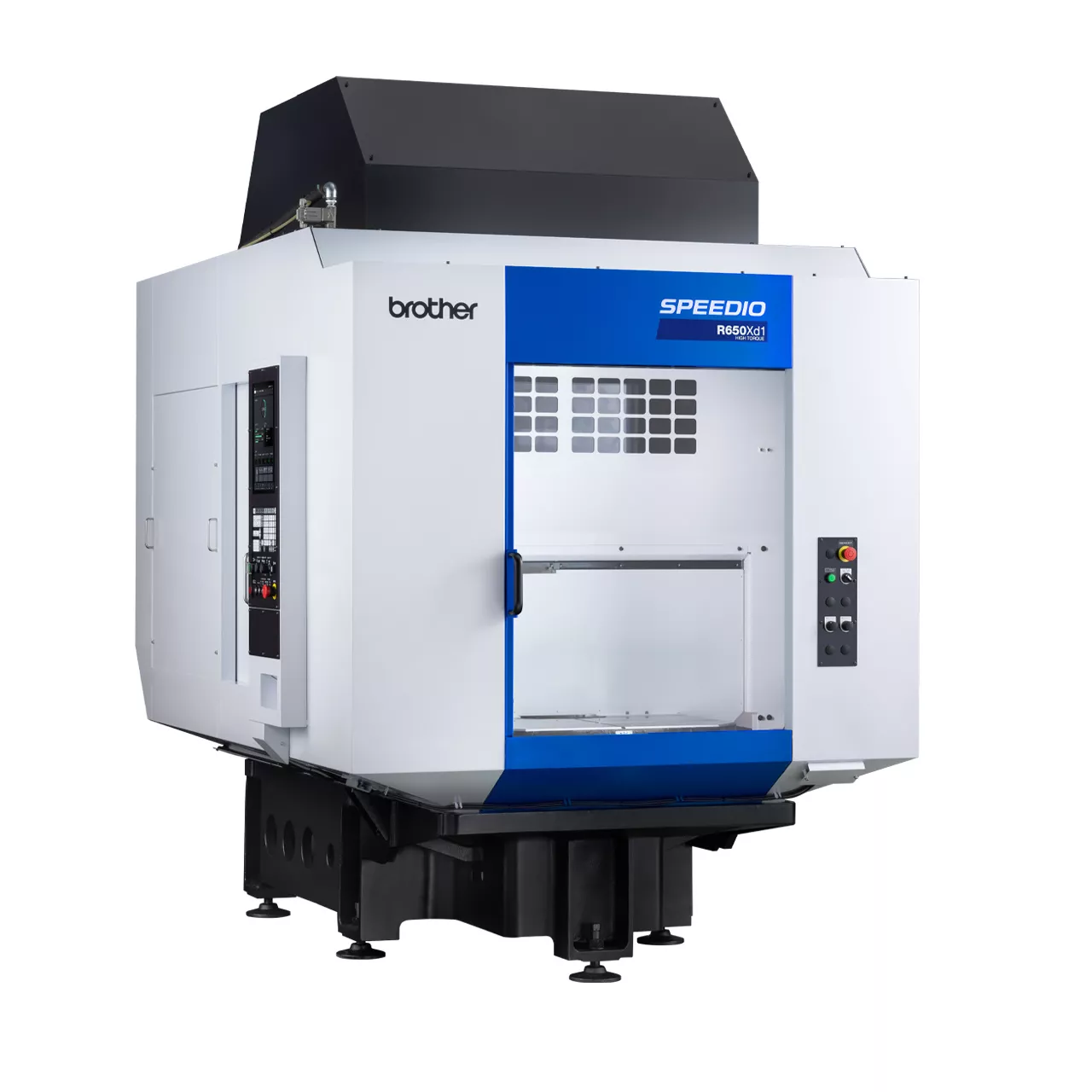
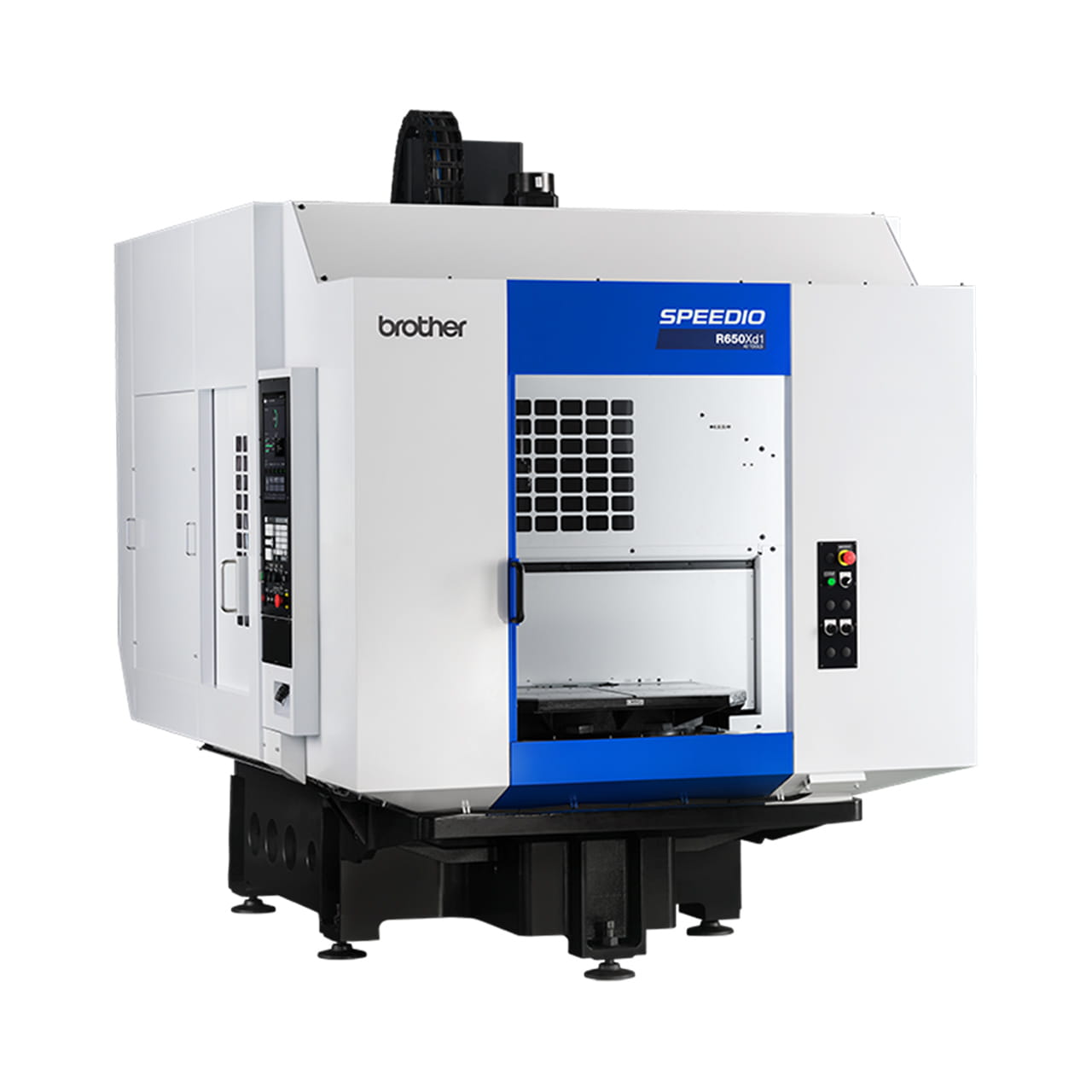
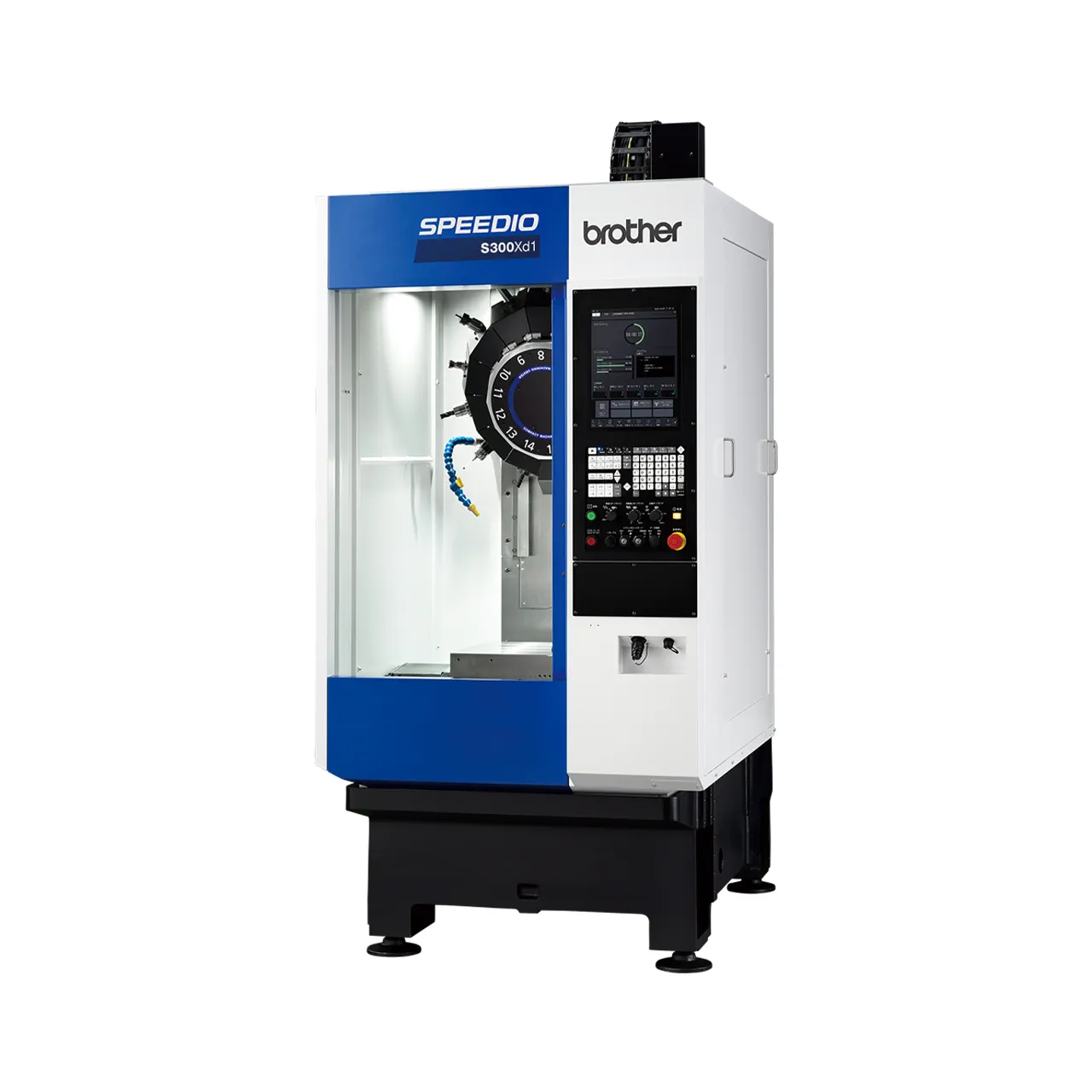
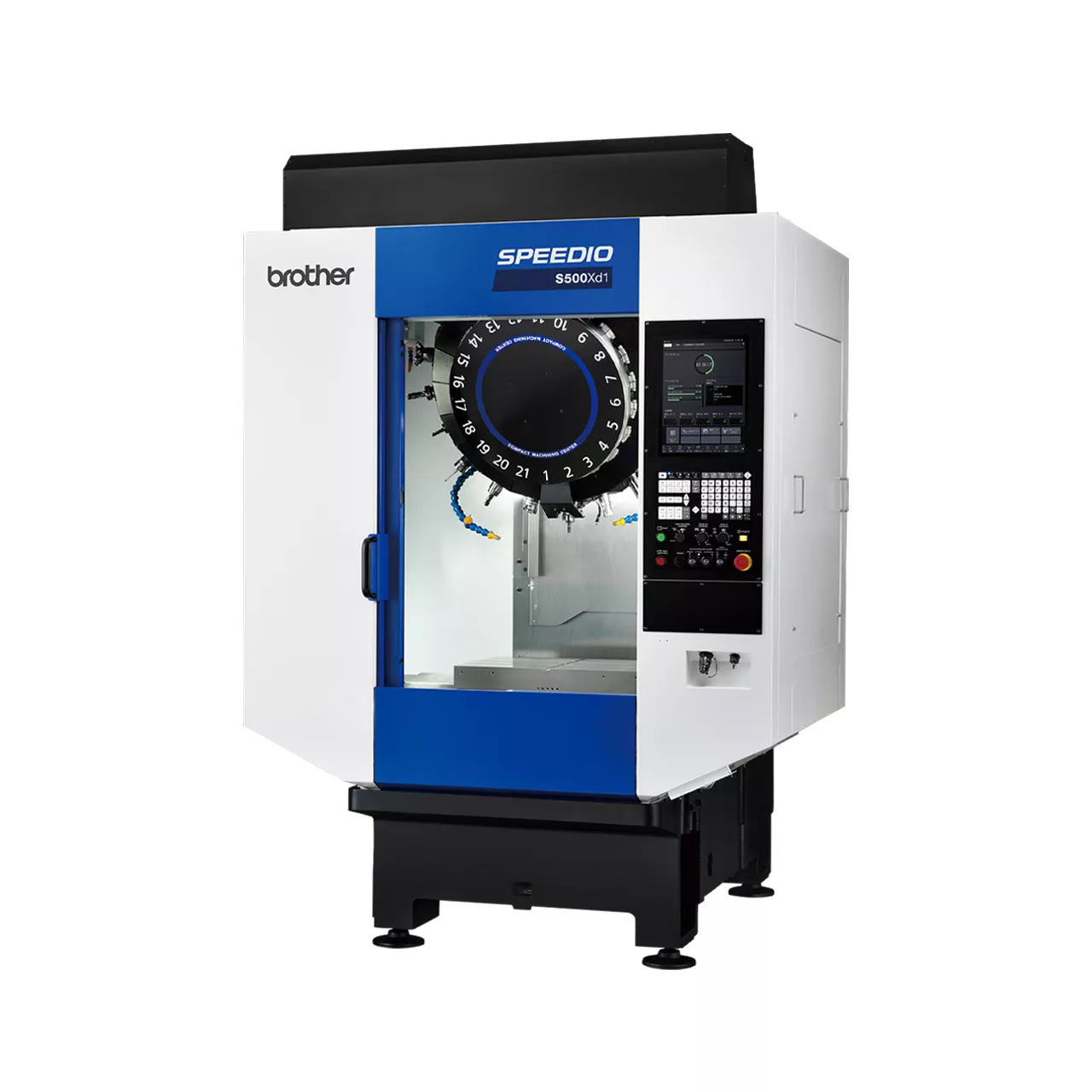
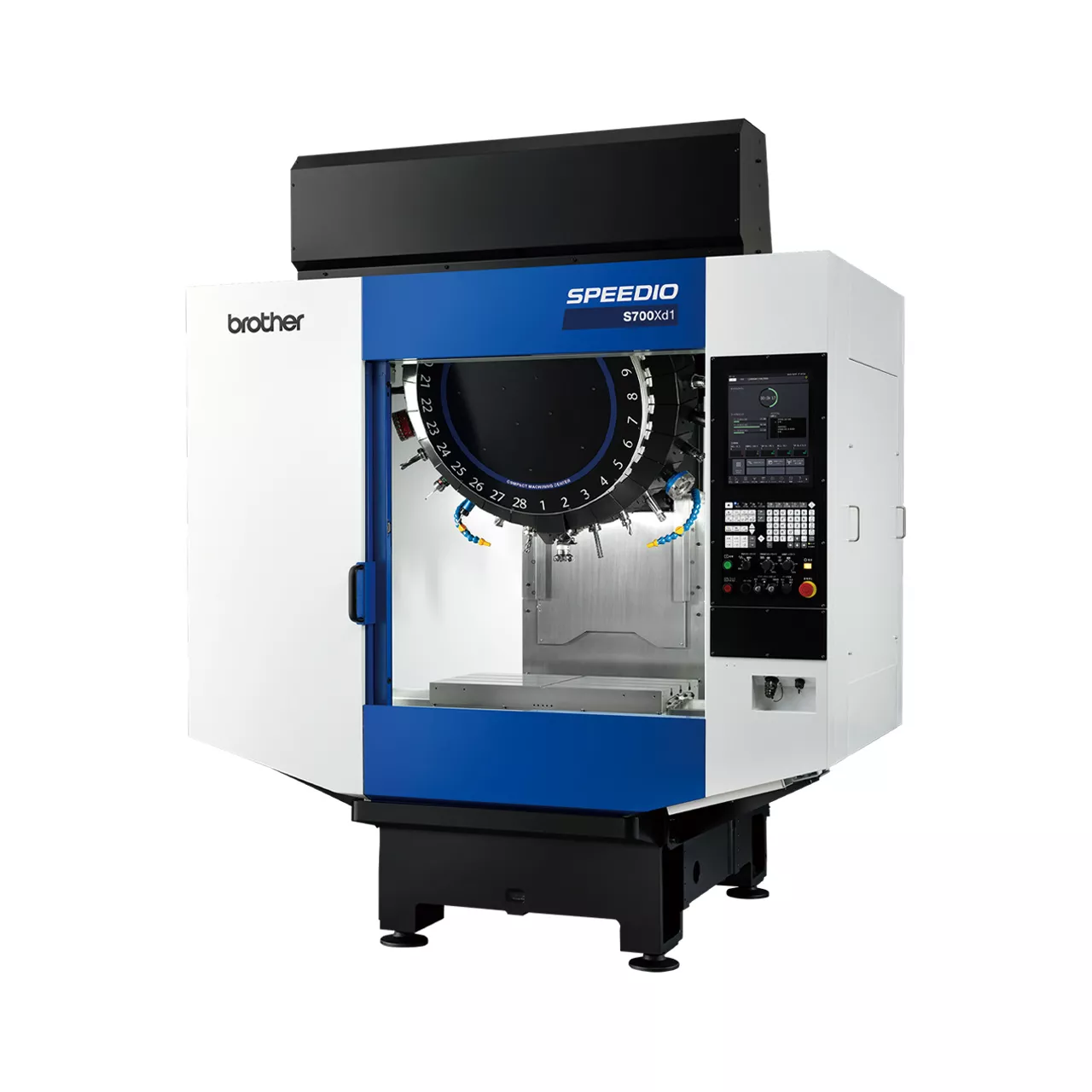
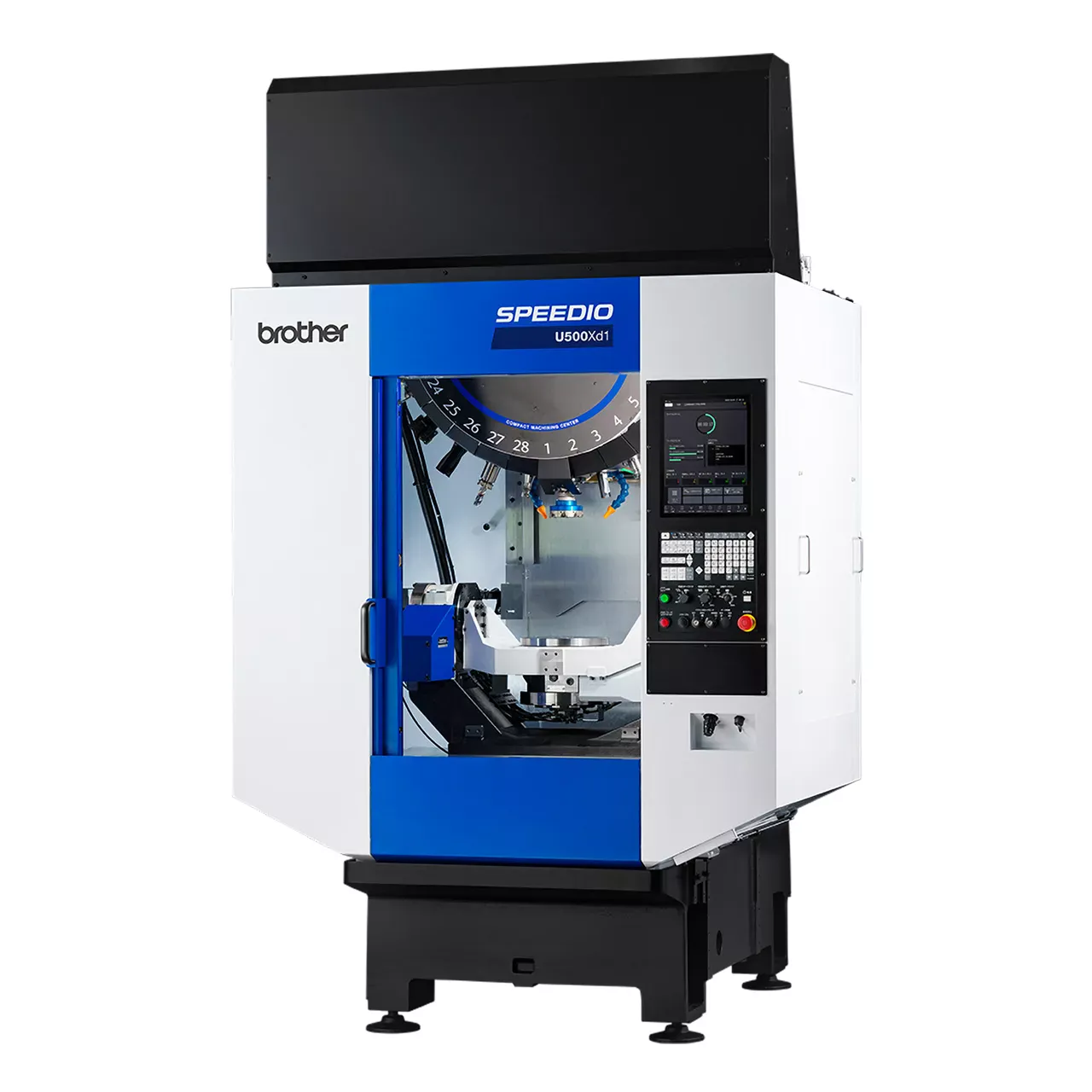
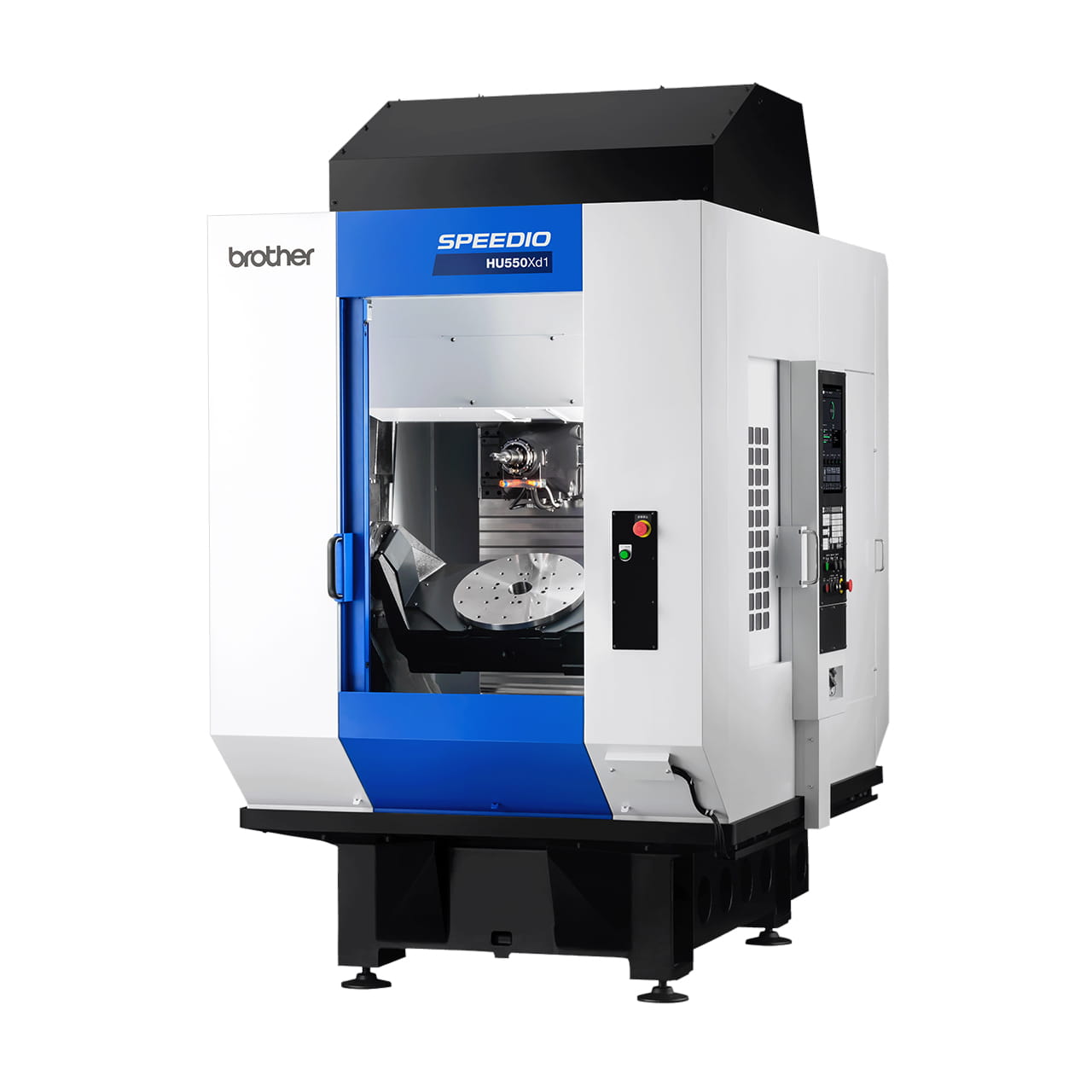
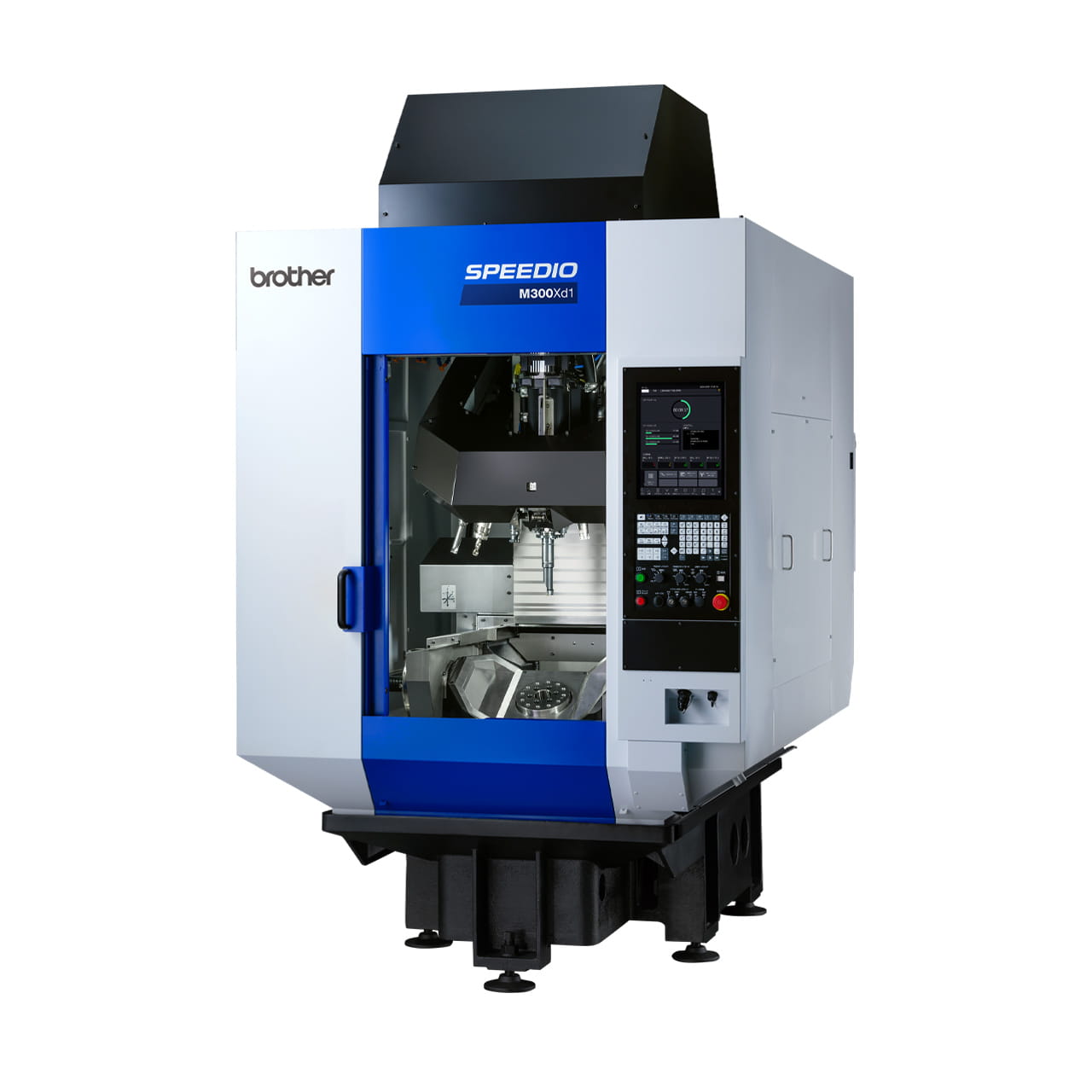
Brother's SPEEDIO machining centers are equipped with features such as conversational programming and tool life management. For businesses aiming to standardize product quality and improve productivity, consider implementing these machines into your operations.
Author: Yuki Kobayashi
Editor: EGGO CO., LTD.
Related Articles
How Are Gears Machined? Gear Types and Manufacturing Process Explained