Valve Basics: Introducing Valve Types, Applications, and Examples of Valve Part Machining
Valves are essential devices used to control the flow of fluids. They are employed across various fields, including industrial machinery and infrastructure facilities. Selecting the appropriate valve based on its type and intended application is crucial. However, selecting an inappropriate valve can result in leaks, equipment failure, and other risks that may significantly impact safety and efficiency.
This article provides a simple overview of the basics of valves, the applications of each valve type, and key points to consider when selecting a valve. The explanations are easy to understand, even for those new to valves, so please read through to the end.
What Are Valves
Valves are devices used to "stream," "stop," and "regulate" the flow of fluids. They are essential for efficiently controlling gases and liquids such as water, gas, and oil, and are widely utilized in piping systems and mechanical installations. Valves are used across a wide range of settings, from household water supply to large-scale industrial plants, with highly diverse types and applications.
Valve Functions (Devices That Control Fluid Flow)
Valves perform three main functions:
- Stream
Controls fluid flow to ensure timely supply. For example, turning on a faucet at home activates this valve function, allowing water to flow. - Stop
Completely shuts off fluid supply. Valves also play a critical role from a safety perspective by preventing fluid leaks and unexpected spills in industrial machinery and infrastructure facilities. - Regulate
Adjusts fluid flow rate and pressure to maintain the required environmental conditions. For example, in air conditioning systems, valves closely regulate fluid flow to control temperature and humidity.
Types and Features of Valves
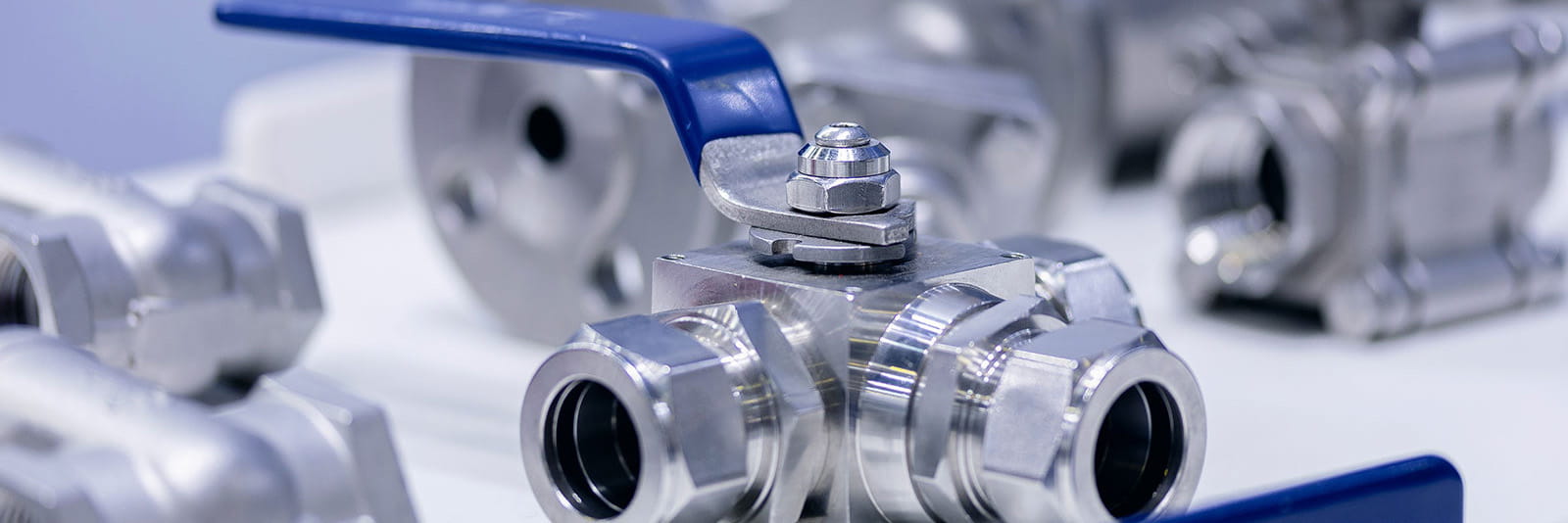
Ball Valves
Ball valves are easy to operate and cause minimal pressure loss. A ball with a hole is directly connected to the valve handle, allowing full opening and closing with a simple 90-degree turn of the handle, making them extremely easy to use.
However, they are not suitable for fine flow rate adjustments and are generally used in situations where valves need to be either fully open or fully closed. Additionally, there is a risk of damaging the ball through contamination by foreign objects, potentially affecting durability.
Due to their simple operation, ball valves are ideal for systems that require fully open or fully closed valves, such as piping and gas control. For example, they are commonly used in water supply piping and industrial gas control.
Globe Valves
Globe valves are excellent for regulating flow rate and feature high shutoff accuracy. The flow rate can be finely adjusted by turning the handle, making them suitable for processes where flow rate control is crucial.
In addition to water faucets, globe valves are suited for chemical plants, liquid supply lines, and other applications that require flow rate regulation. They are particularly effective in situations where a stable fluid supply at specified flow rates directly impacts manufacturing quality.
Diaphragm Valves
A key feature of diaphragm valves is their lack of external leakage. Thanks to their high shutoff performance, they are particularly well-suited for controlling corrosive or toxic fluids.
Diaphragm valves are suitable for applications where the risk of fluid leakage to the outside must be thoroughly eliminated, such as in chemical plants and semiconductor manufacturing facilities.
Butterfly Valves
Butterfly valves are compact, lightweight, and easy to operate, making them well-suited for large-diameter piping.
They are ideal for piping systems with large diameters handling high fluid volumes, such as water supply systems and cooling facilities. Due to their ability to regulate flow rate, butterfly valves are widely used across a broad range of infrastructure facilities.
Each type of valve has distinct characteristics and applications. The appropriate valve must be selected based on the environment in which it will be used. By understanding the features of each valve and applying them appropriately, safe and efficient fluid control can be achieved.
Key Considerations When Selecting Valves
Valve selection is an important process that determines the safety and efficiency of a system. Improper valve selection increases the risk of leaks and failure, ultimately compromising safety and driving up operating costs.
This section outlines key considerations to ensure success when selecting valves.
Understand Suitable Applications
Each valve type has distinct strengths and main applications. A clear understanding of these features is essential for selecting the valve best suited to your intended purpose.
For example, ball valves are typically chosen for applications requiring fully open or fully closed flow control, while globe valves are typically chosen when flow rate adjustment is needed. Also, corrosion-resistant diaphragm valves are well-suited for handling corrosive fluids.
Balance Cost and Safety
When selecting valves, it is essential to consider not only cost but also safety and durability. While choosing lower-cost valves may reduce initial costs, they can lead to increased maintenance and replacement costs over the long term.
For example, using low-cost valves in high-pressure environments carries the risk of premature failure. In such cases, investing in high-quality, durable valves, despite higher initial costs, may ultimately be more cost-effective.
Preventive Measures Against External Leaks
External leaks can lead to environmental pollution and accidents, making preventive measures essential. Check the valve's material and structure, and select products that minimize leakage risk.
For toxic fluids, diaphragm valves are suitable due to their structure, which is designed to prevent external leaks. In addition, the risk of leakage can be further reduced by conducting regular inspections and establishing a maintenance plan.
Selecting the right valve is the key to improving the reliability and safety of your system. It is important to choose a valve suited to both the application and environment, while balancing cost and safety from a long-term perspective. By correctly understanding valve features and making appropriate selections, you can achieve safe and efficient system operations.
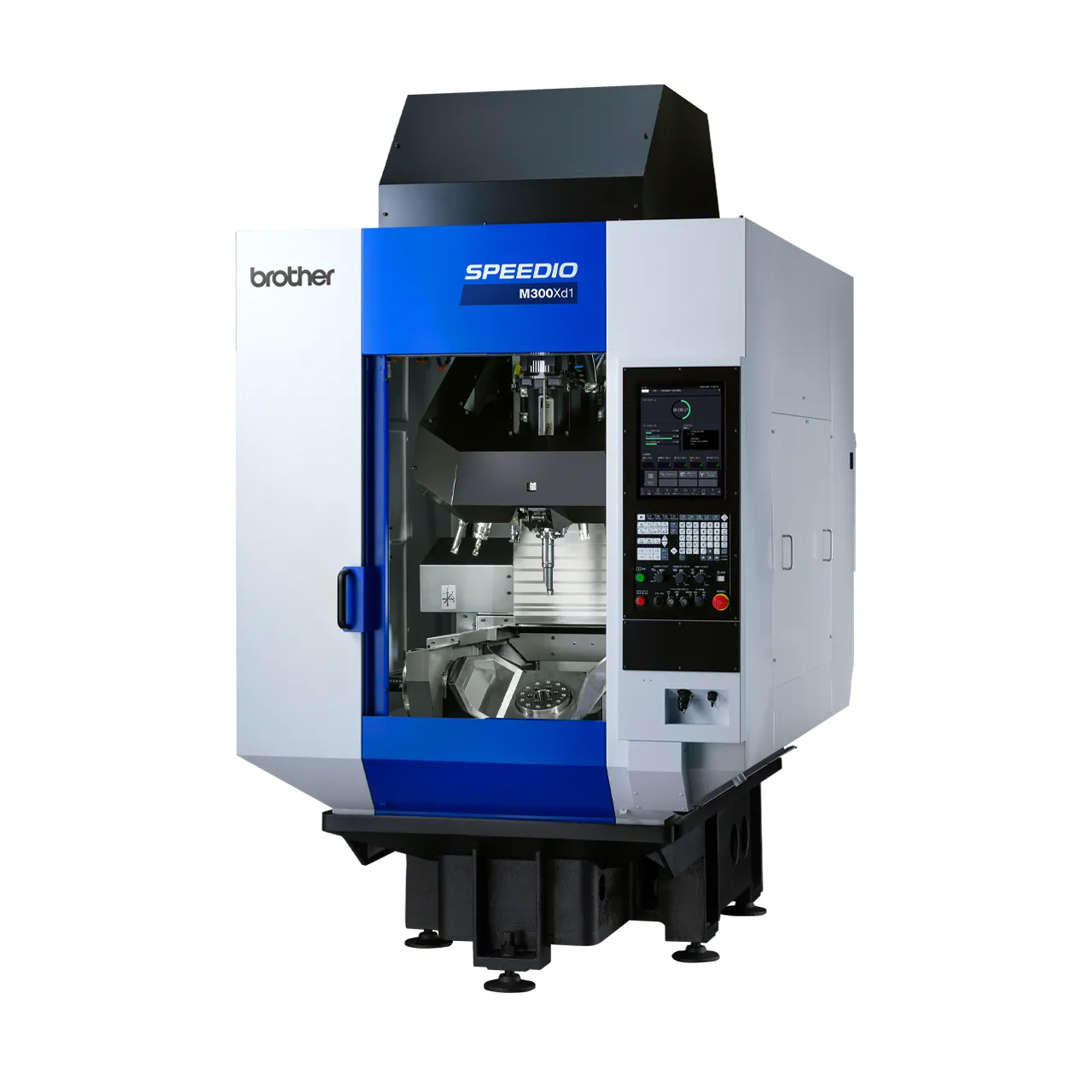
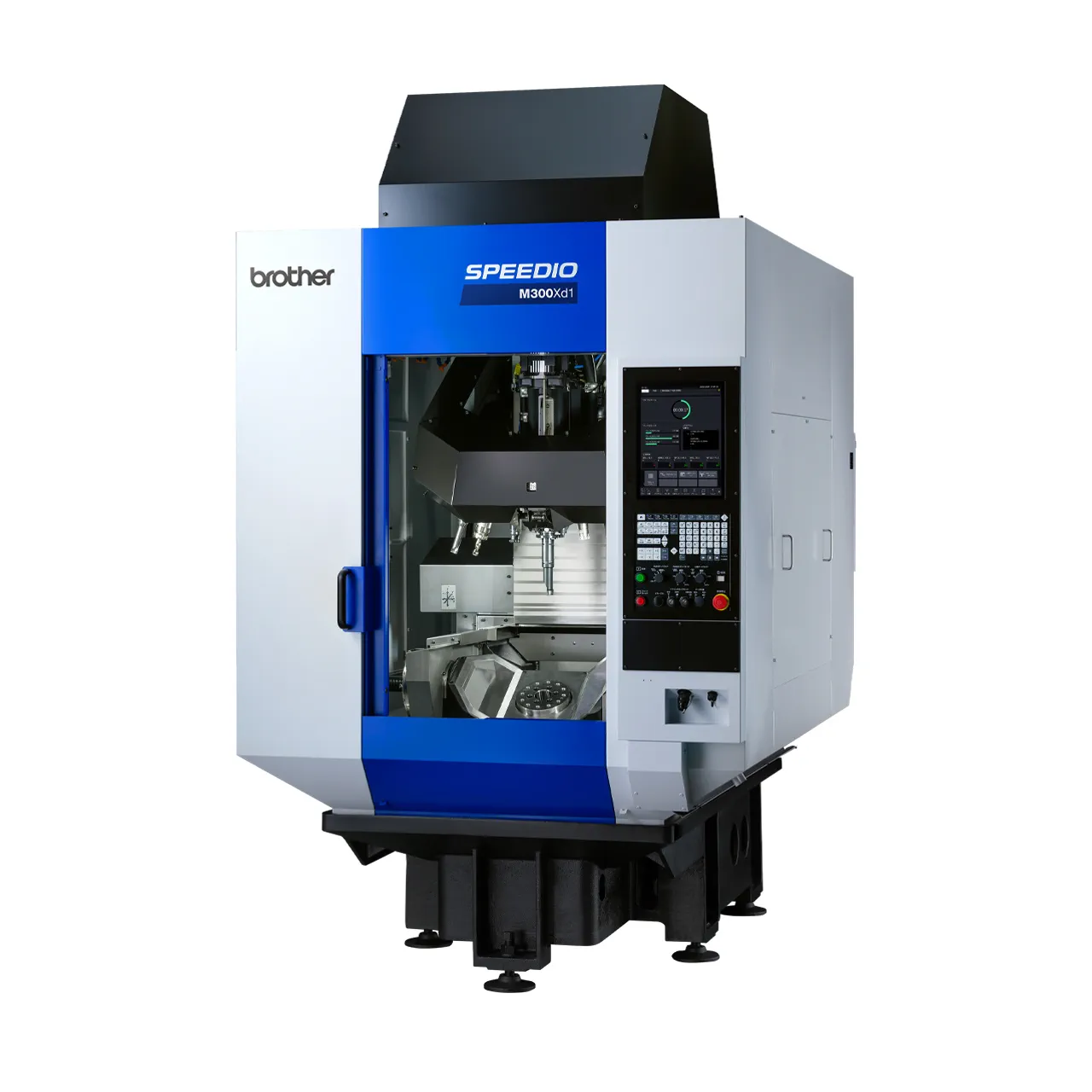
Machining Valve Parts Using a Machining Center
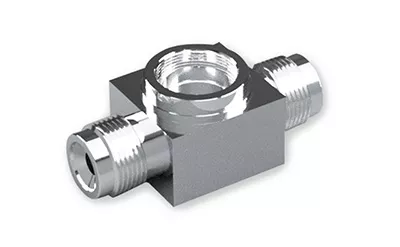
Valves are made of a variety of materials depending on their application or condition of use. Stainless steel, brass, and bronze, which are used for miniature valves, are suitable for machining with machining centers.
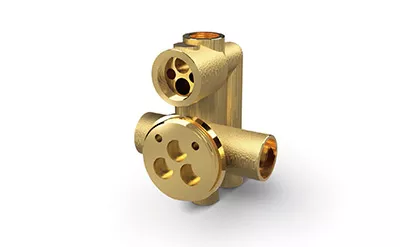
Water Faucet Parts
Used across a wide range of settings, including kitchens, showers, and other residential installations, as well as in water supply systems.
| Workpiece size (example) | 150 x 75 x 50 mm (5.9×3.0×2.0 inch) |
|---|---|
| Workpiece feature | Main machining involves drilling and threading, with a wide variety of internal and external thread sizes available |
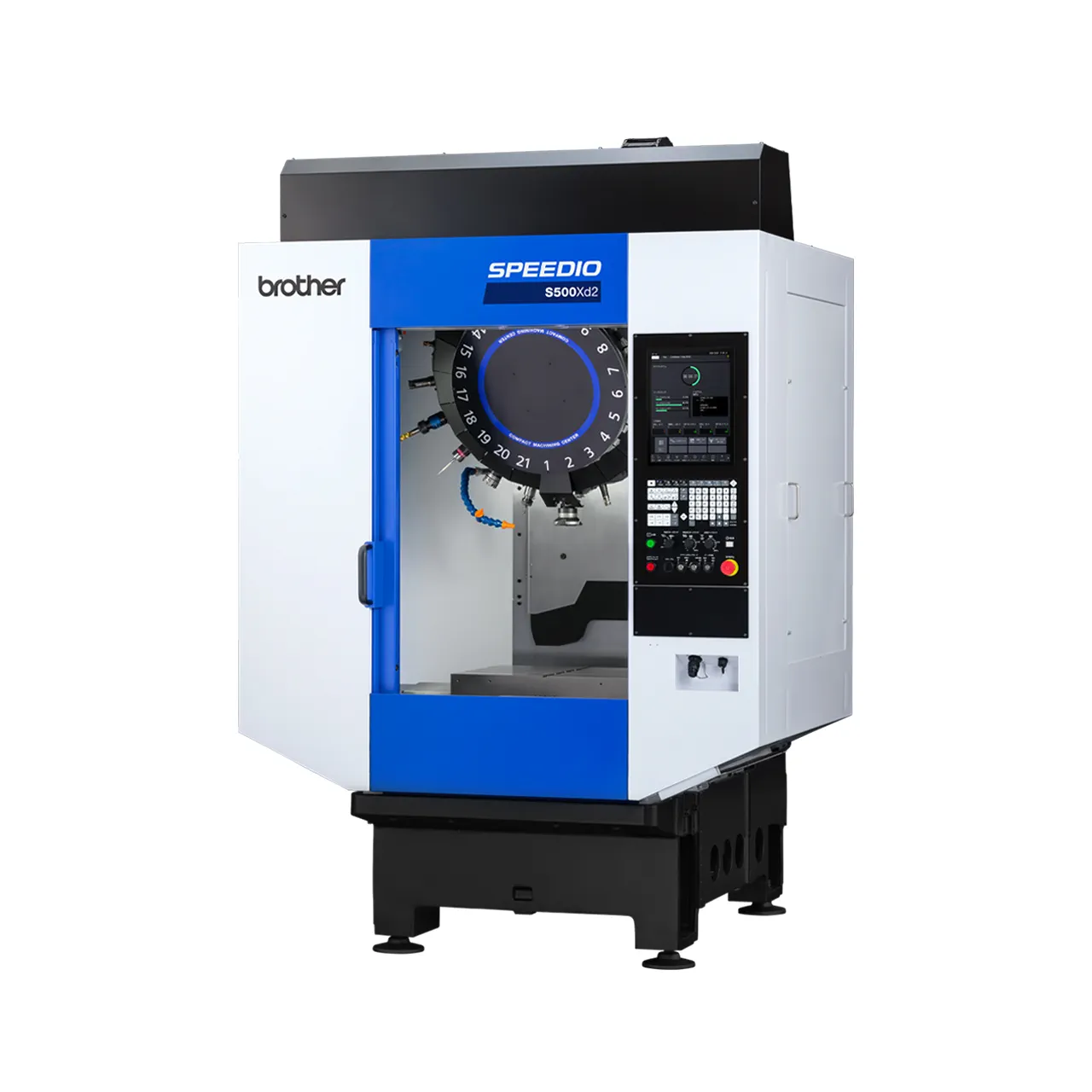
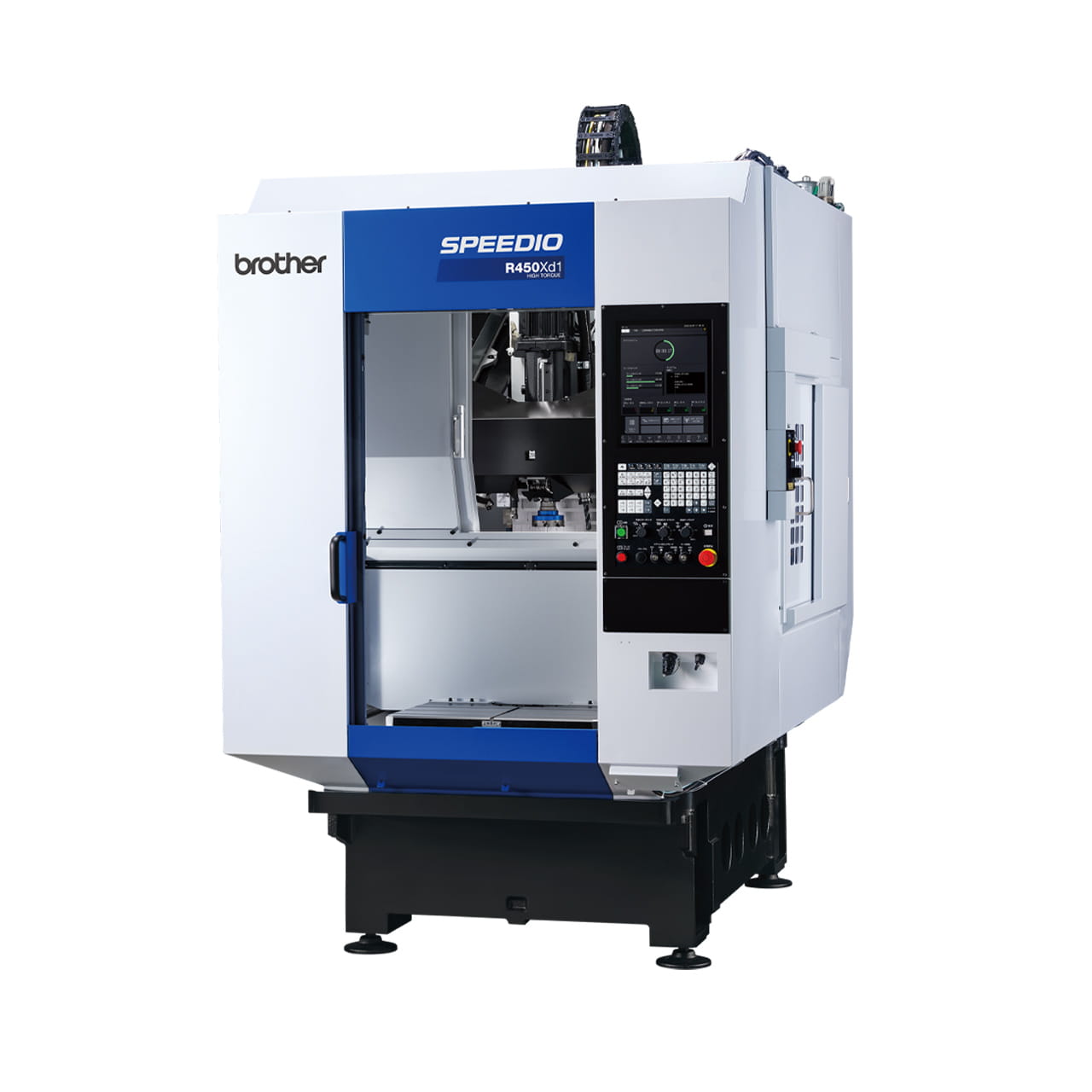
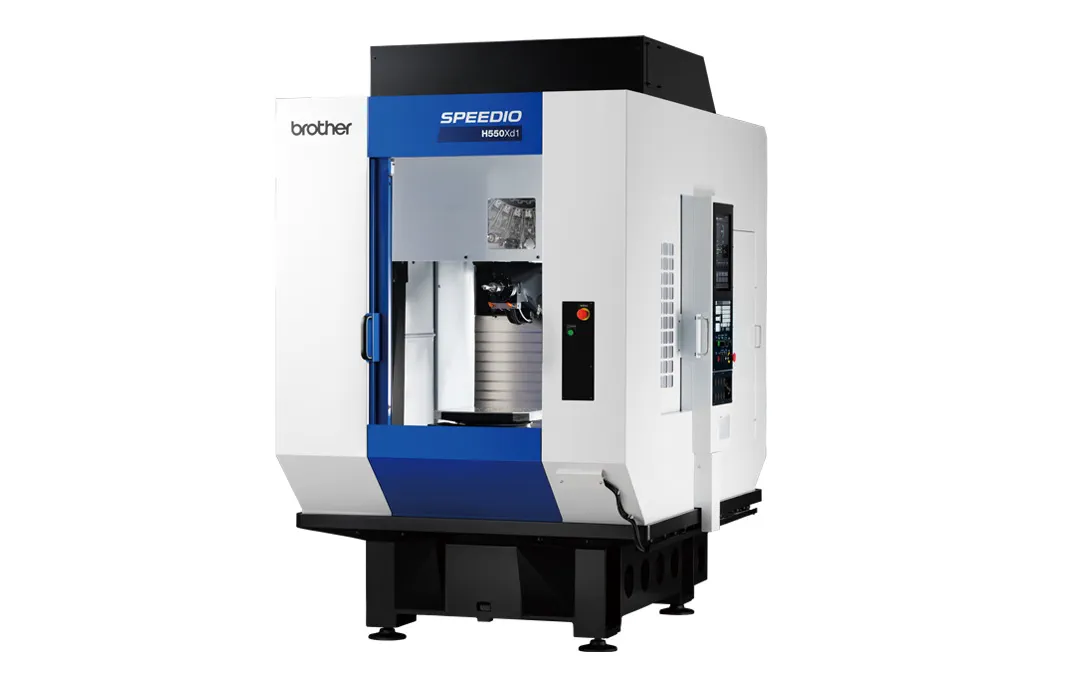
| Best machine | Highly productive machine capable of high-quality thread cutting |
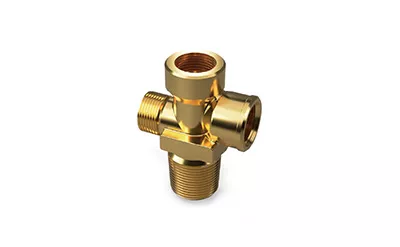
High-Pressure Gas Cylinder Valves
Used as the main valve for high-pressure gas cylinders to regulate gas flow and fill the cylinder.
| Workpiece size (example) | 60 x 80 x 30 mm (2.4×3.1×1.2 inch) |
|---|---|
| Workpiece feature | Threaded on all sides, sometimes requiring angled holes |
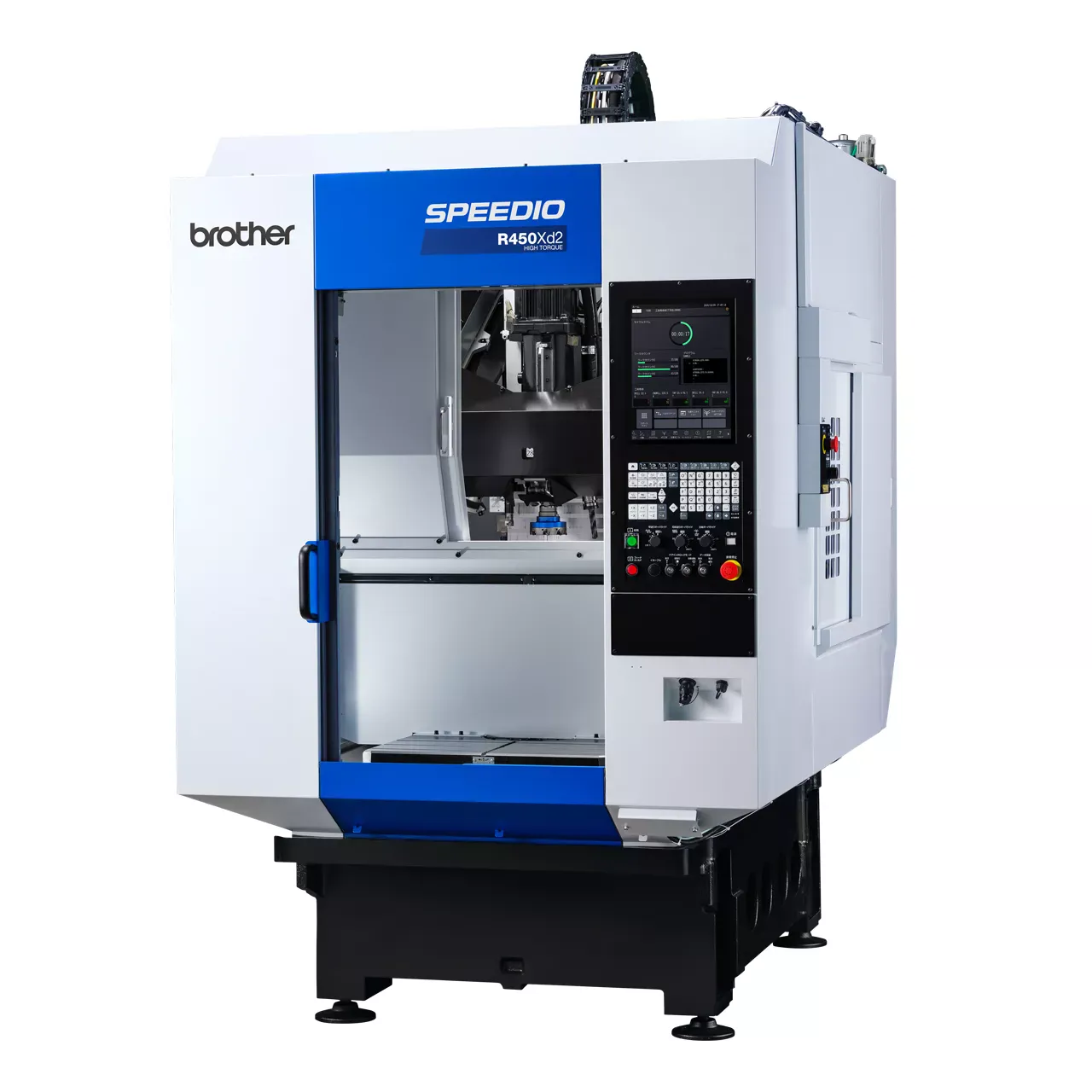
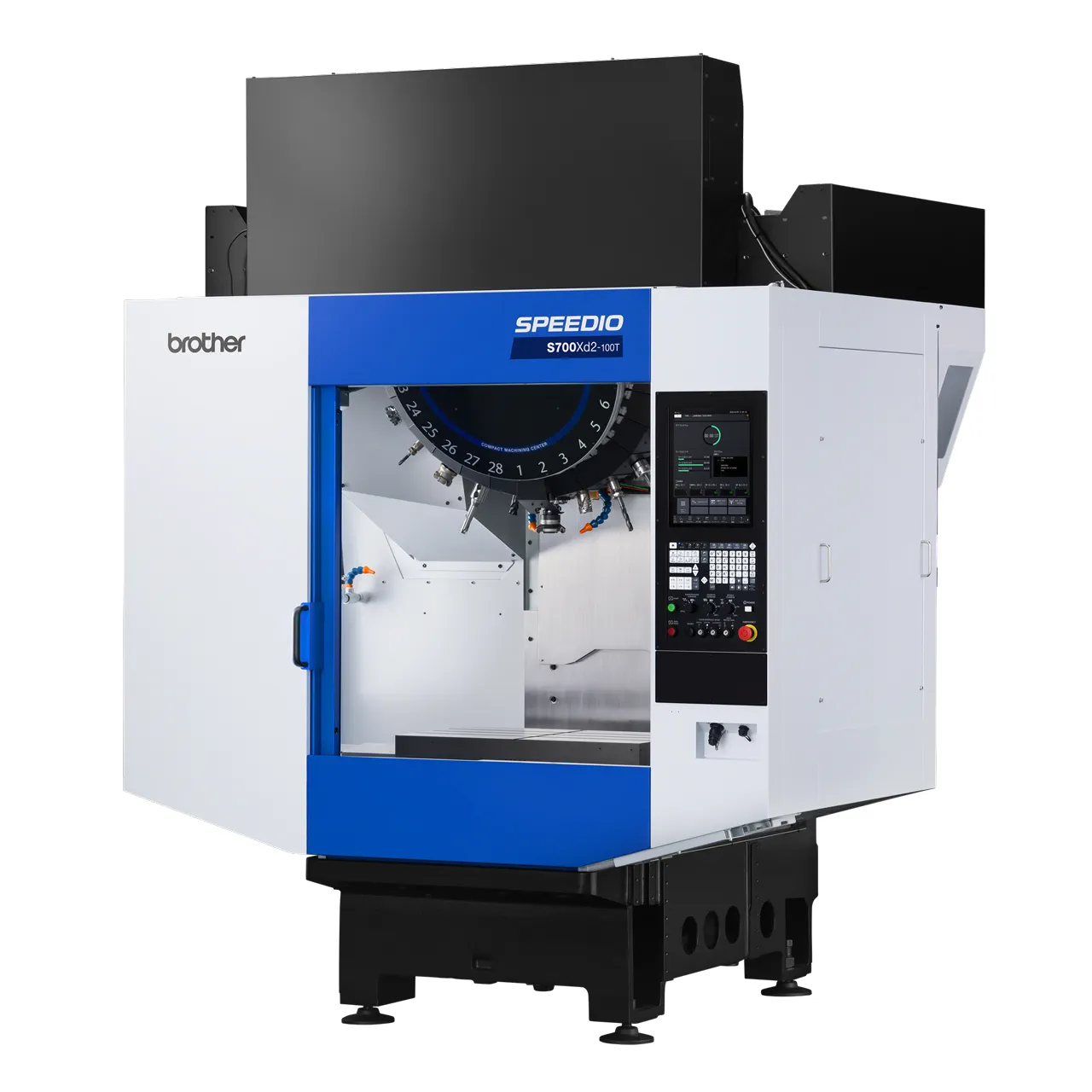
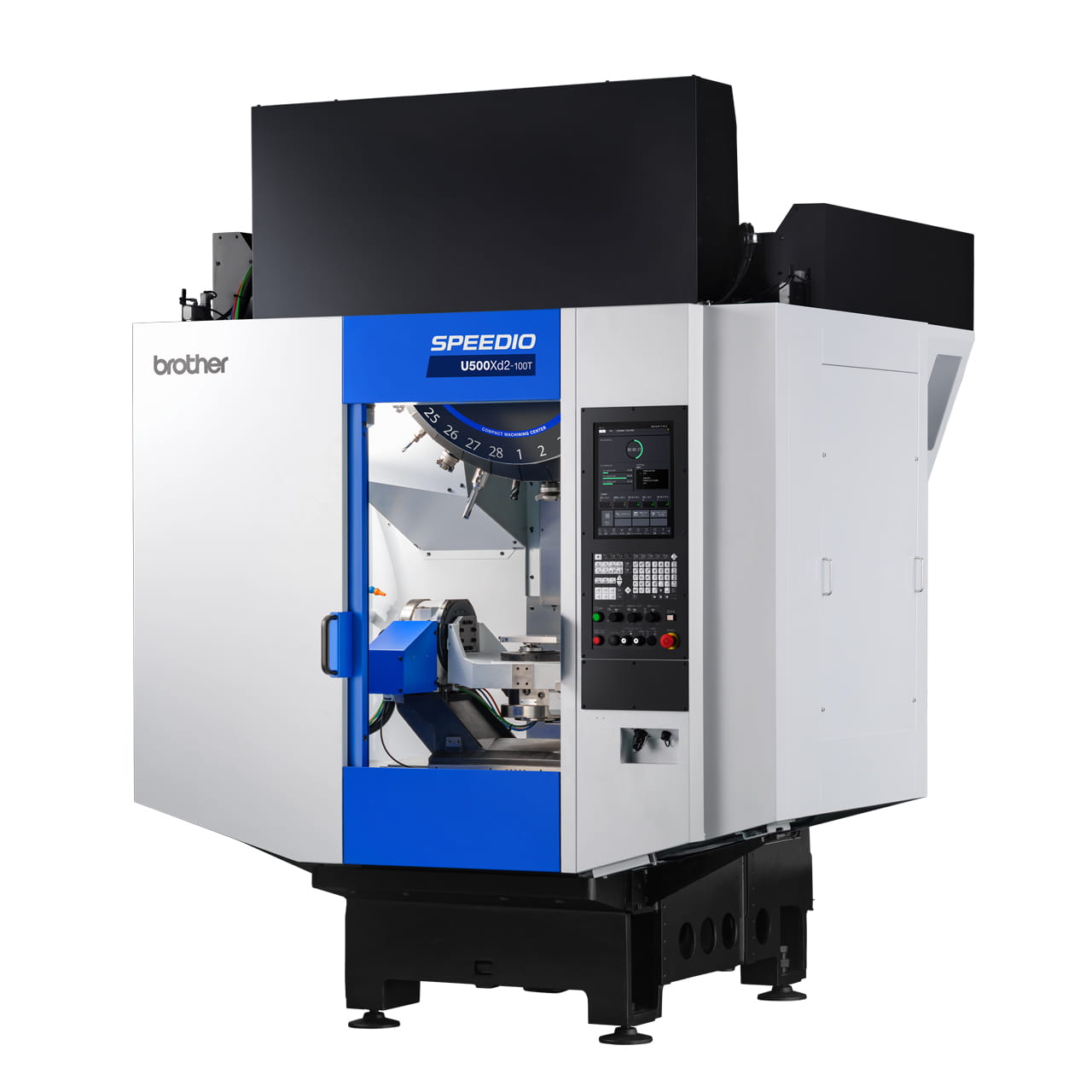
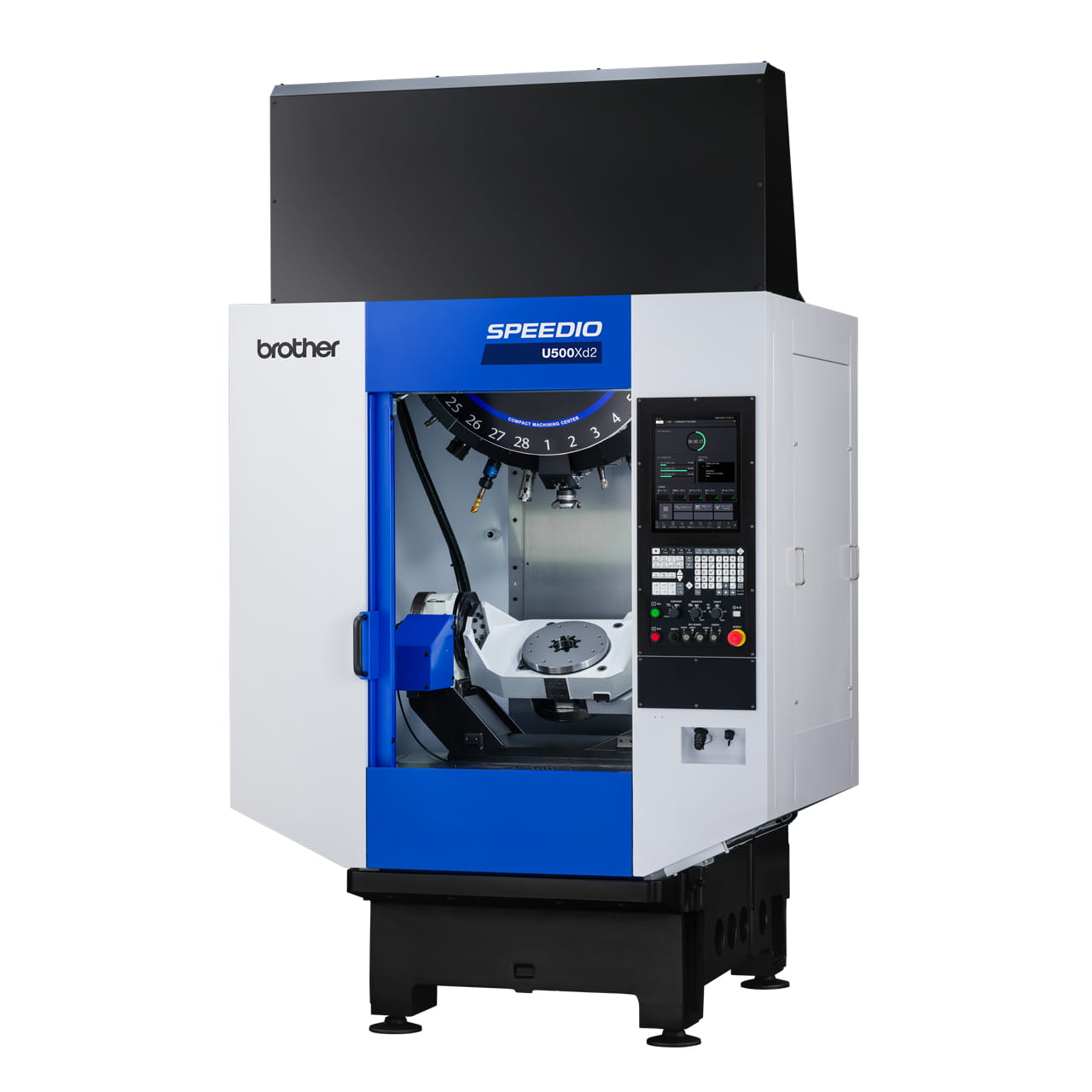
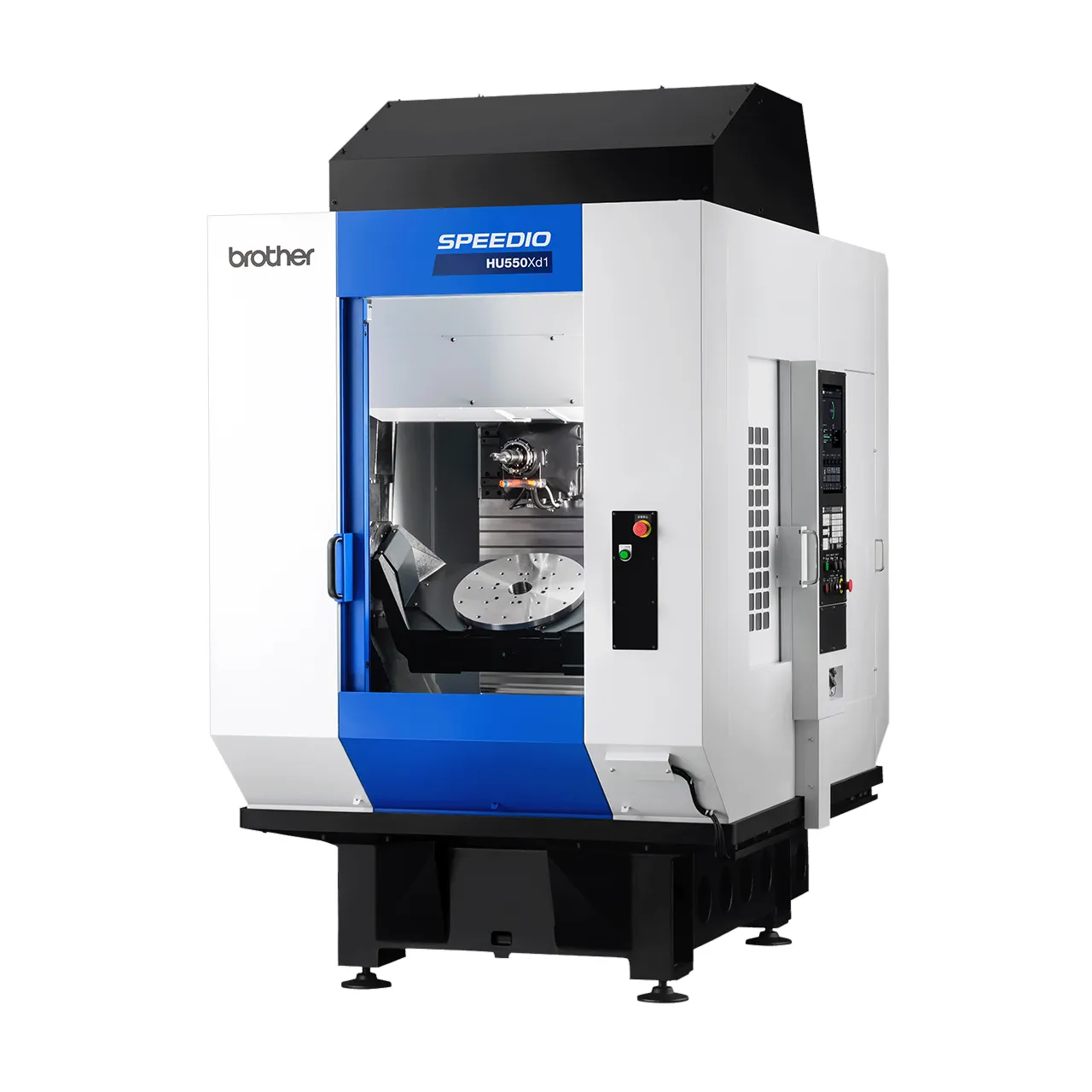
| Best machine | Machines for multi-face machining with excellent cost-effectiveness and high-speed machining capability |
Stainless Steel Valves
Used in settings requiring corrosion resistance, such as medical devices and semiconductor production equipment.
| Workpiece size (example) | 75 x 35 x 35 mm (3.0×1.4×1.4 inch) |
|---|---|
| Workpiece feature | Surface roughness on inner surface of hole and hole-to-hole accuracy required |
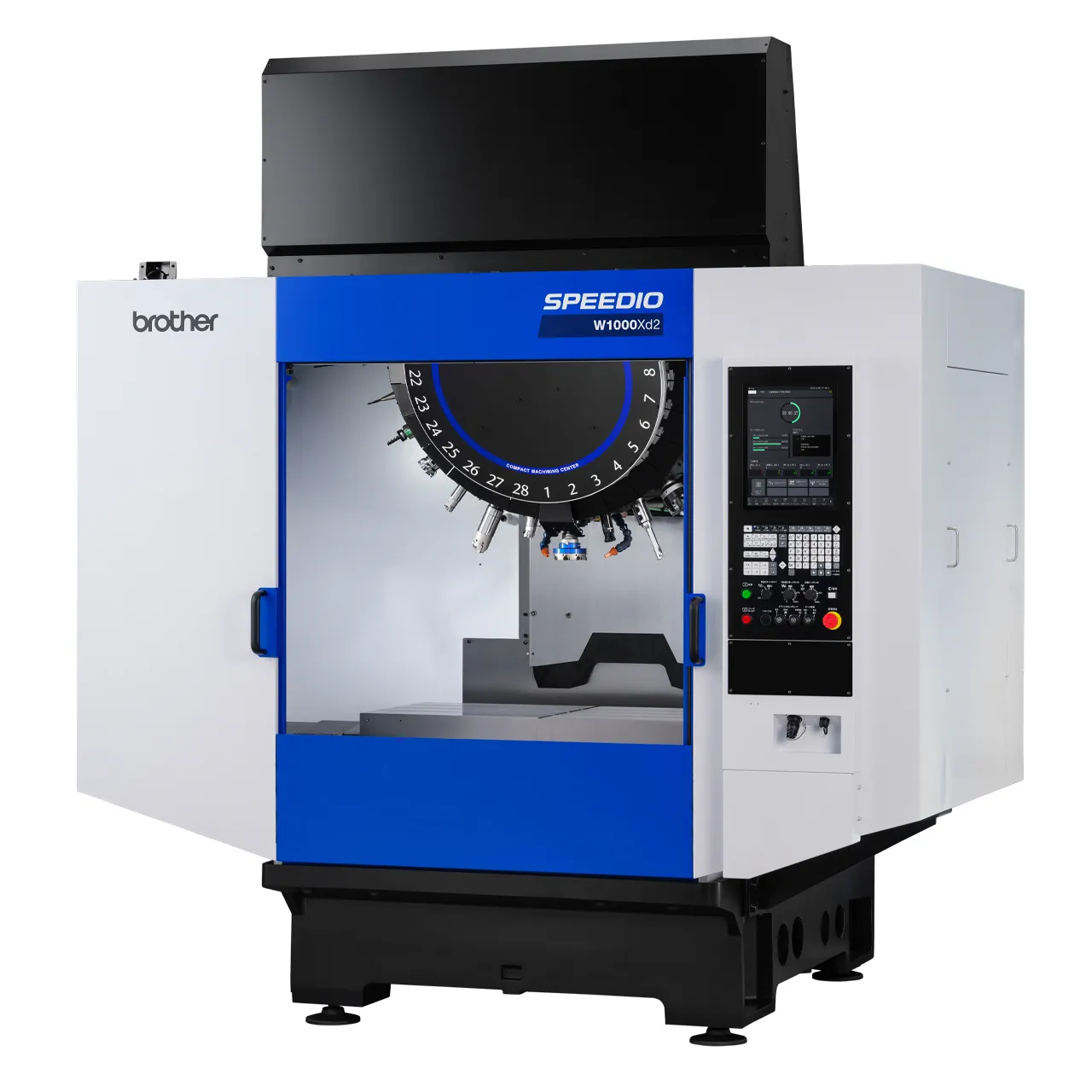
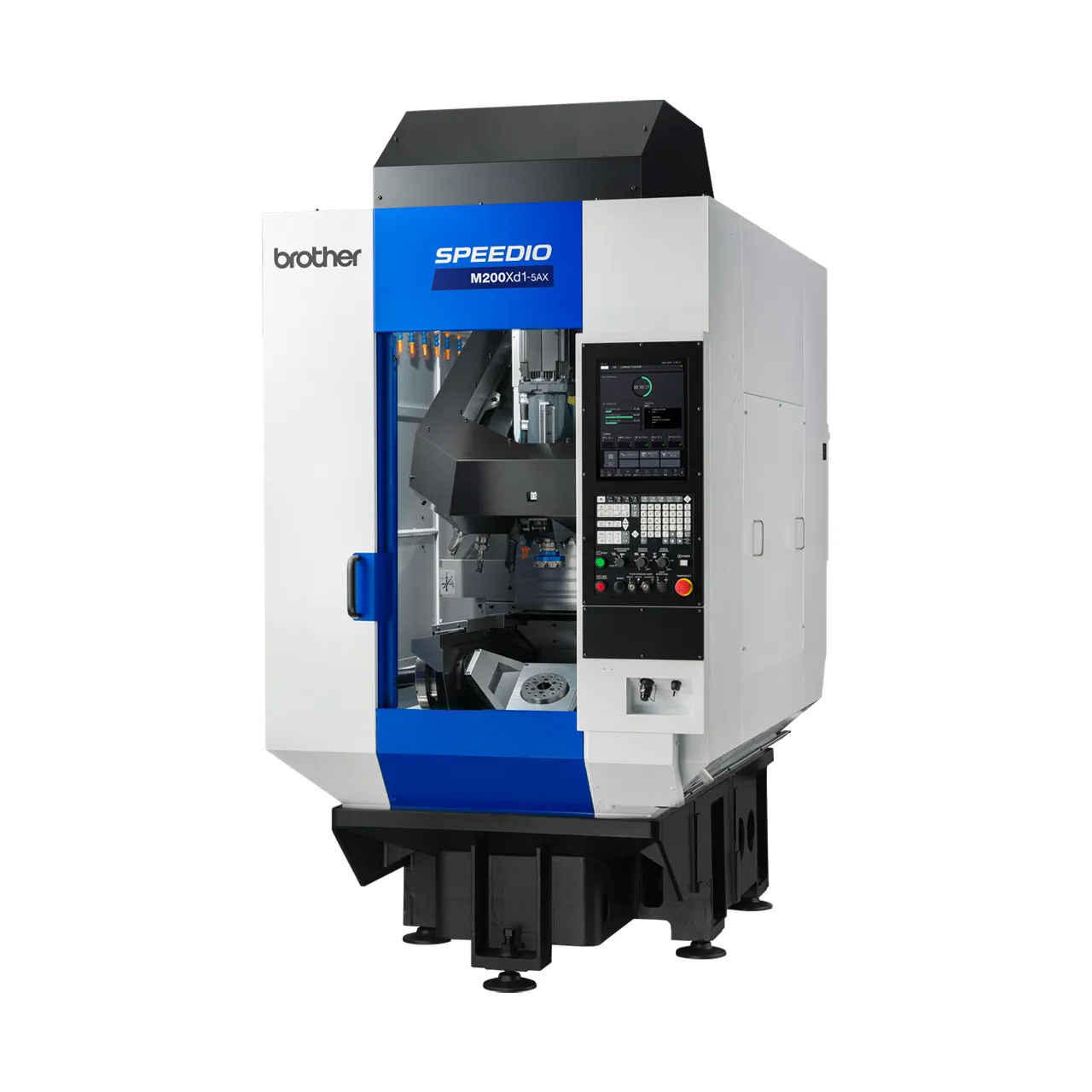
| Best machine | Machine that can reduce setup time by multi-part machining compact workpieces |
Author: Hitomi Kawai
Editor: EGGO CO., LTD.
Related Articles
Basics of Non-Ferrous Metals Used in Machining! Difference From Iron and Steel, and Features of Each Material Explained