








Updated:2026.09.02


Why Use 5-Axis Machining Today?
In recent years, demand for high-value, geometrically complex workpieces has been growing rapidly across a wide range of industries in the Americas, including automotive and medical devices.
At the same time, the aging and shortage of skilled workers, along with rising energy costs, has become a serious challenge. To finish complex parts with high precision using fewer workers and limited operating hours, it has become essential to reduce the time spent on workpiece changes and set-up, and to integrate multiple processes into a single machine.
To overcome these challenges, 5-axis machining are rapidly becoming the standard across manufacturing in the Americas—delivering greater efficiency, precision, and productivity.
SPEEDIO SOLUTION NAVI collects a wide variety of information on modern
5-axis machining centers, from the basics to extremely specialized topics.
Read Articles About 5-Axis Machining
-
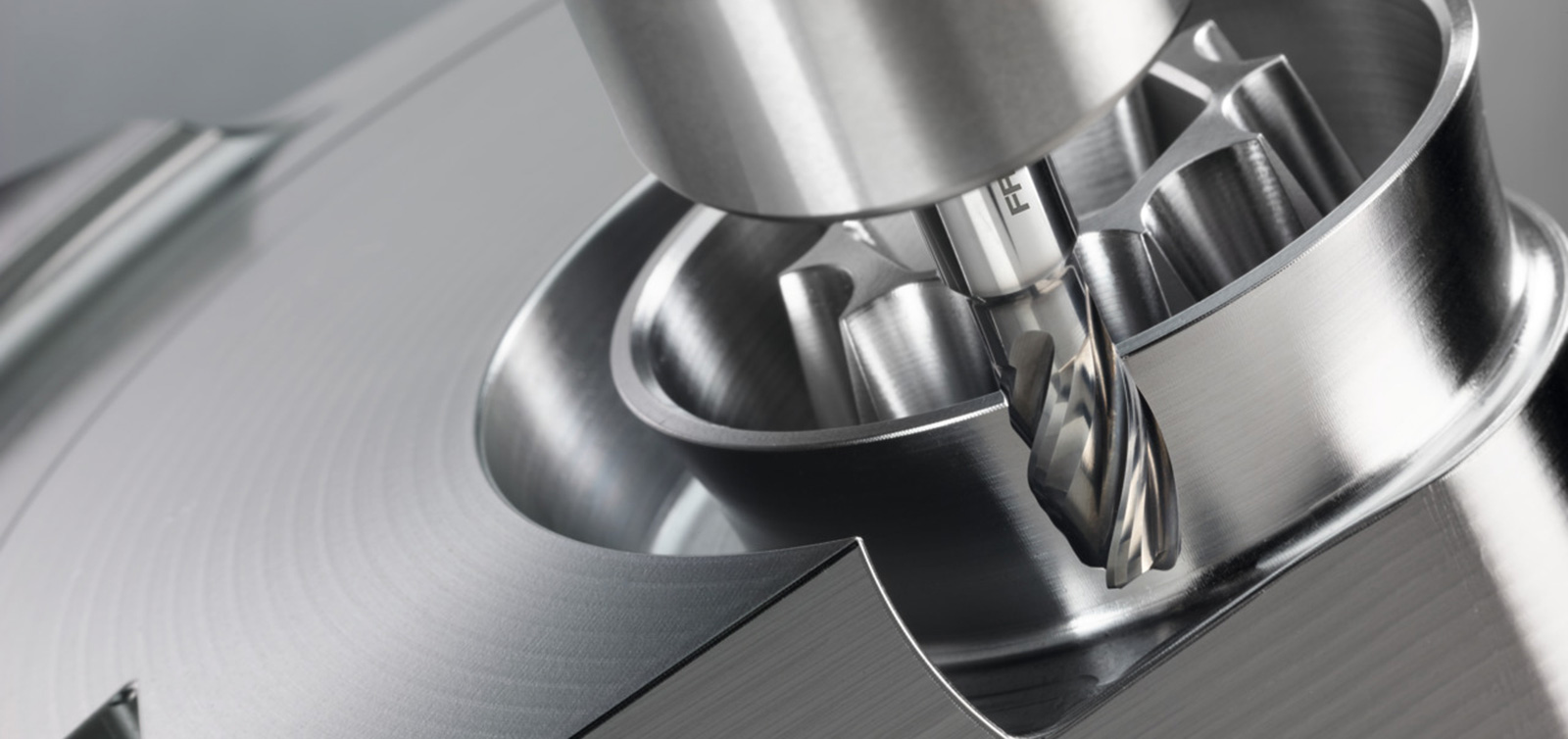
What Are "Barrel Tools," and How Do They Further Enhance 5-Axis Machining Center Performance? Implementation Criteria and Effectiveness

-
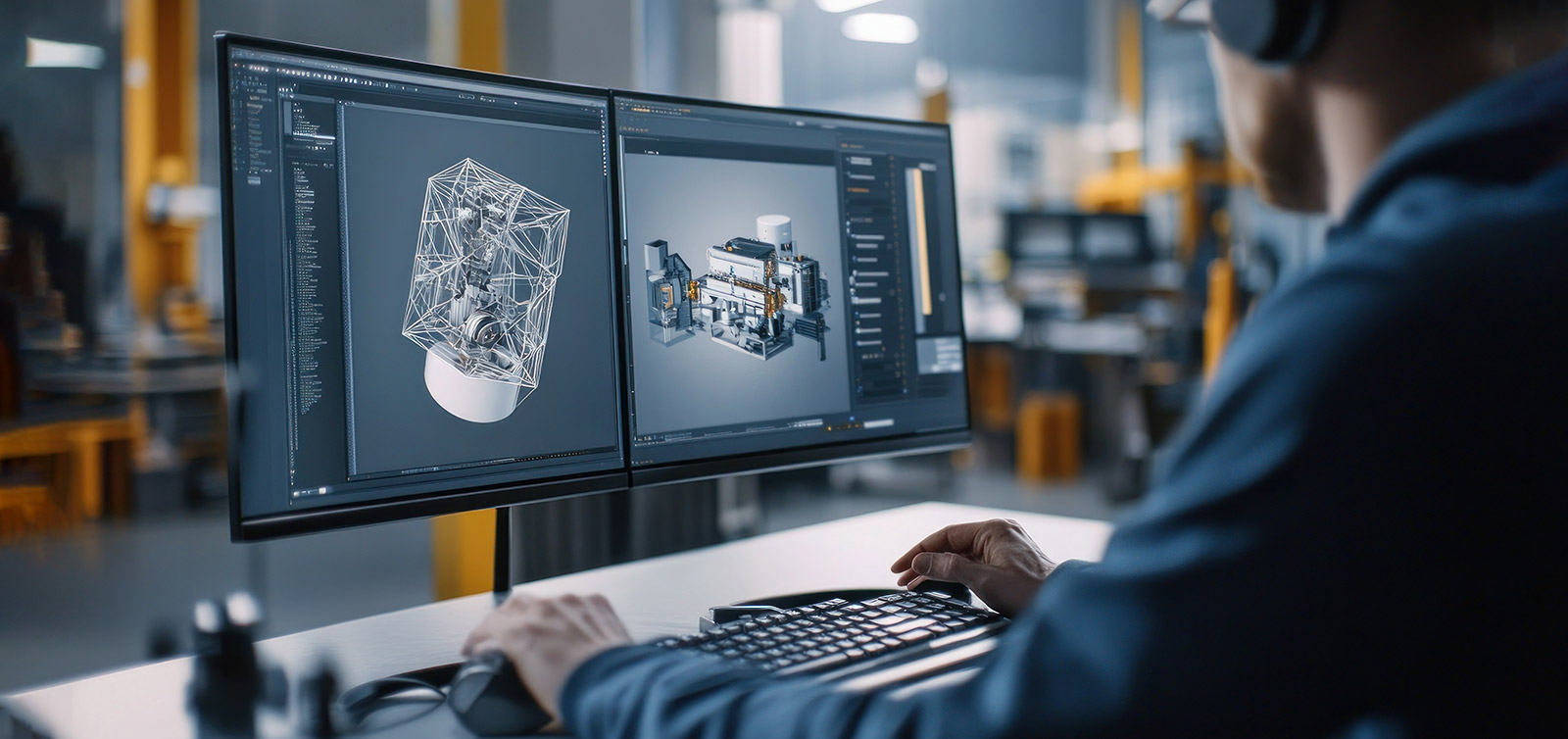
"CAD/CAM," and Why It's Required to Use 5-Axis Machining Centers. Key Points for Adoption and How to Choose
-
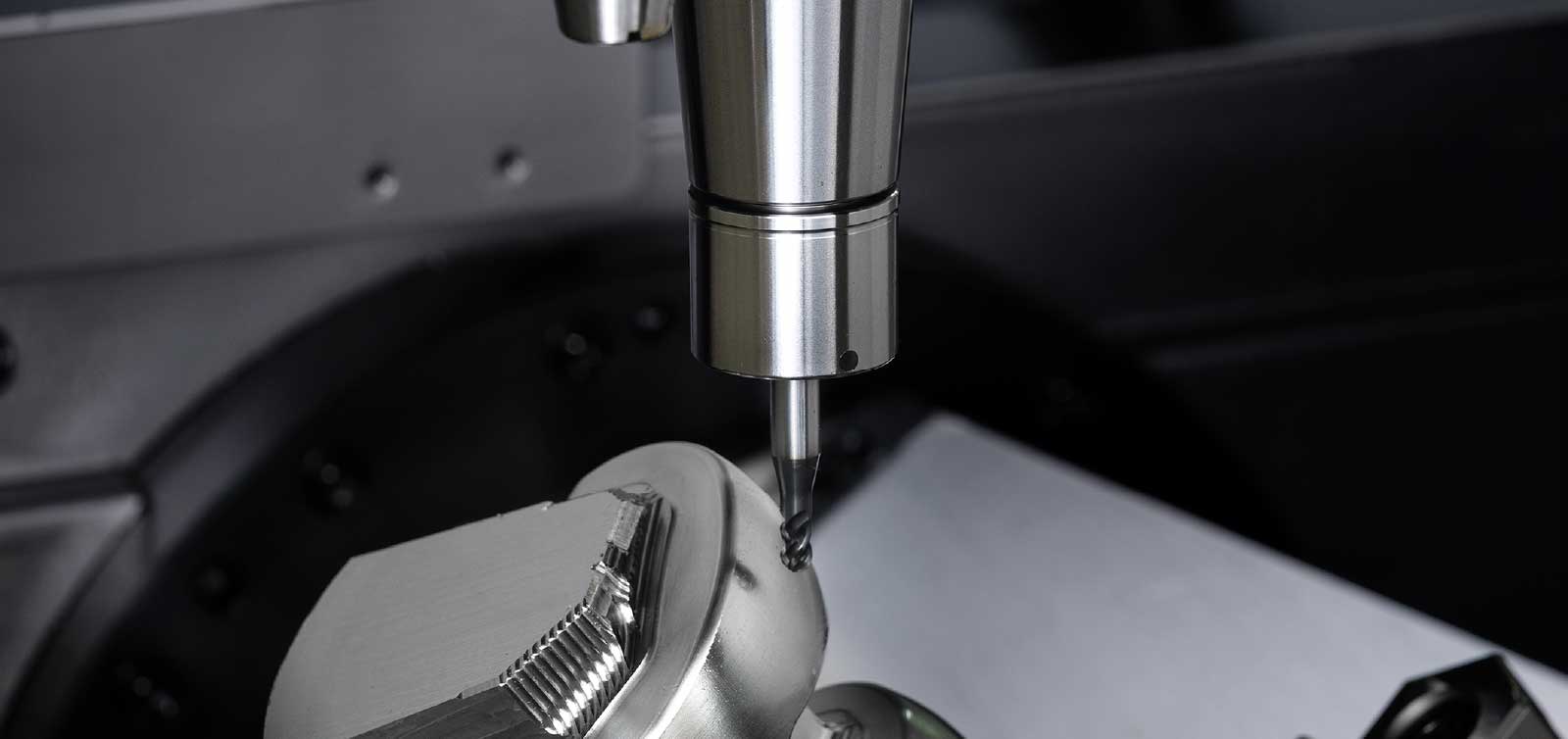
What Is Simultaneous 5-Axis Machining? Overview and Advantages of Simultaneous 5-Axis Machining Explained
Read Customer Success Stories
About 5-Axis Machining
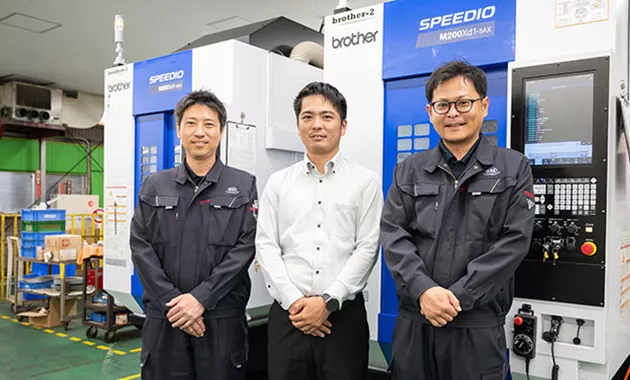
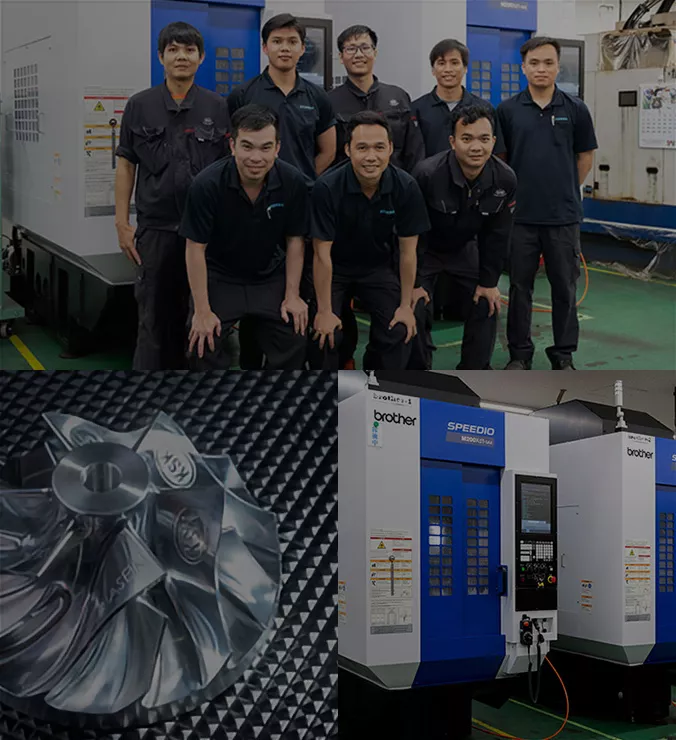
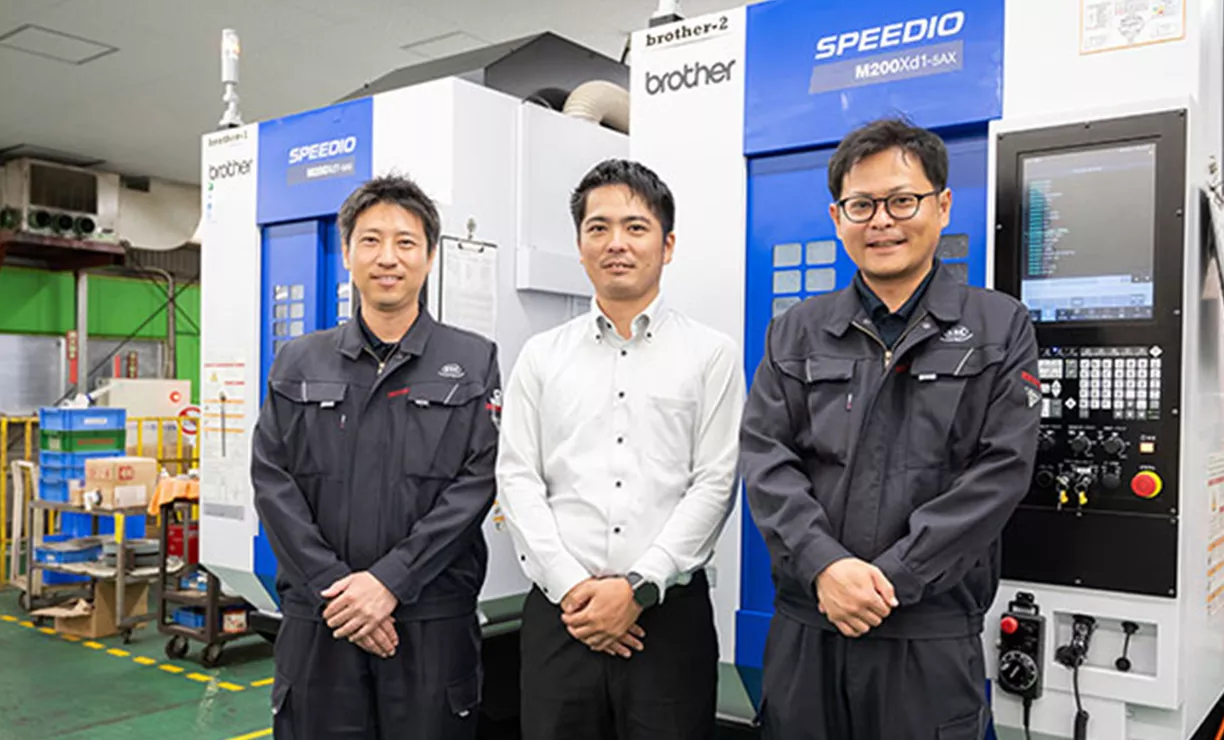
We hear from companies that have achieved stable production with SPEEDIO.
POINT1
Simultaneous 5-axis machining delivers curved surfaces and lines smoother than expected
POINT2
Highly praised for its quality, even in terms of accuracy
POINT3
Space-saving design allows easy tool and workpiece changes
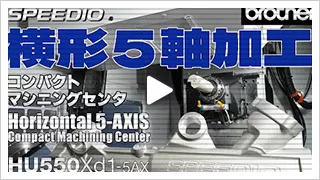
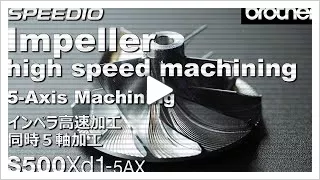
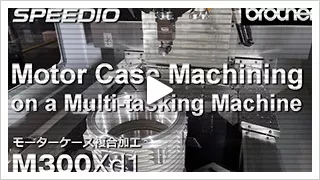
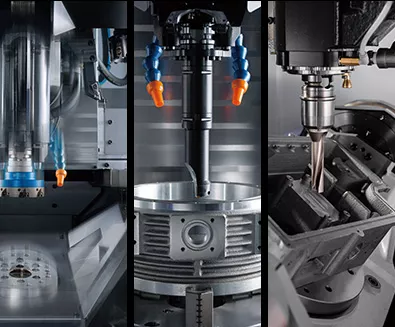
Models Compatible With 5-Axis Machining
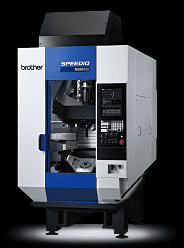

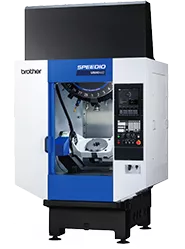
Multi-face machining center with a tilting rotary table with a jig area of ø500 mm

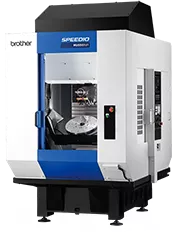

Models Compatible With
Simultaneous 5-Axis Machining

Multi-face machining center with a tilting rotary table with a jig area of ø500 mm




Updated:2026.09.02